
Patrick Grant touches on something fundamental to my understanding of Tolkein in his article, Tolkien Archetype and Word. He writes: “Tolkien faces, therefore, the crucial problem for the Christian writer — the problem faced first by Milton in a modern context — of formulating a vision in which Christian assertion, history, and imagination can coinhere. For Tolkien, the “paradise within” must, ideally, be raised to fulfillment in the primary world of history, and this implies a sacramental, if non-doctrinal, view of reality. But it does not imply any simple reversion to medievalism: Tolkien does not write allegory, which assumes a corporate acceptance of dogmatic formulae based on a “realist” epistemology. The morality of his story is, as we have seen, implicit. His theory does, however, help to explain the inordinate pains spent on the appendices, the background history, the landscape, names, traditions, annals and the entire sense of a “real world” of Middle-earth. History and the “primary world” are more fully rendered in Tolkien than in Milton, and, essentially, they mark the difference between a eucharistic and a non-sacramental view of the world. Yet the great themes of the Christian epic, as we have named them for Milton, remain implicit as a map of values in much the same form in The Lord of the Rings as in Paradise Lost. First, and most important, is the concept of Christian heroism, a spiritual quality which depends on obedience rather than prowess or personal power. Second, heroism is basic to the meaning of love. Third, charity, or love, is the foundation of faith and hope. And last, Providence directs the affairs of the world.”
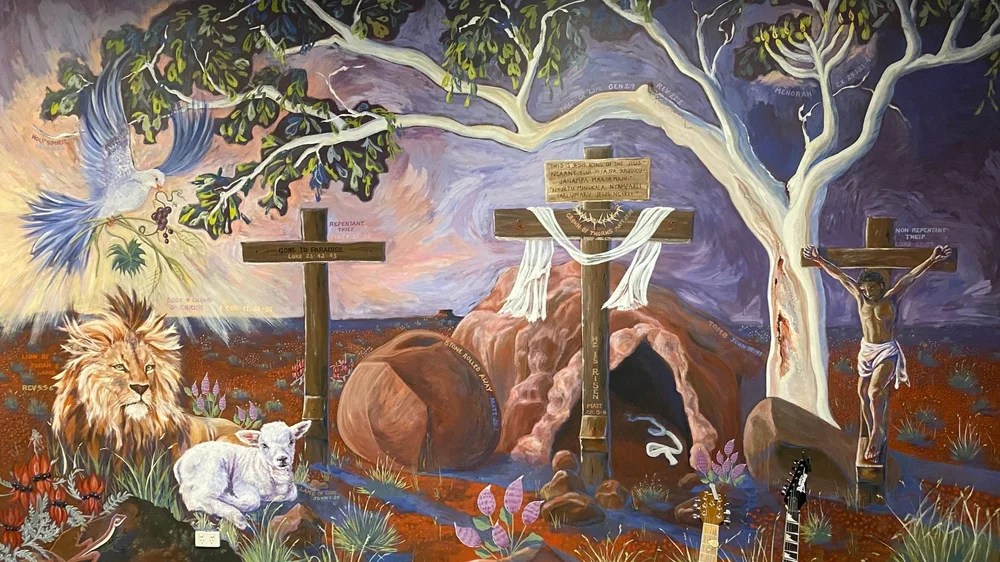
I believe this reflection on imagination and heroism has implications, not only for Christian fictional writing, but for the outpourings of Christian imagination in general, whether through art, poetry and song.




 Curious Christian
Leave a comment