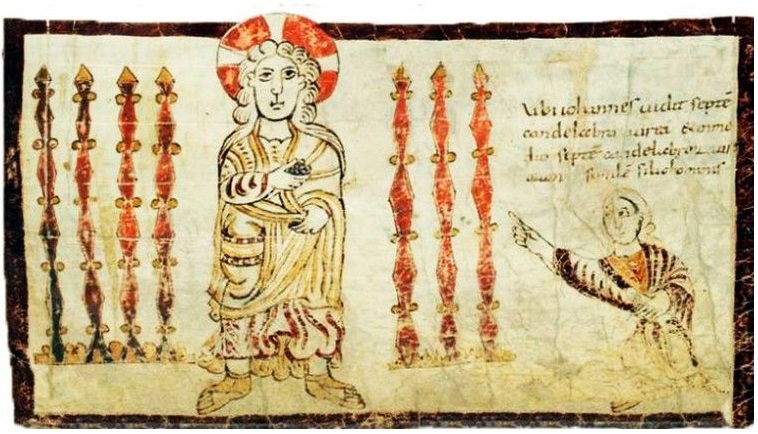
I have been reflecting on the letter to the church of Ephesus in the book of Revelation, particularly where they are warned: “If you do not repent, I will come to you and remove your lampstand from its place.”
In its immediate context, this is not a threat of annihilation but of loss of vocation. The lampstand represents a church’s calling to bear Christ’s light in the world. Ephesus is not accused of false doctrine or moral collapse. On the contrary, they are praised for endurance, discernment, and theological vigilance. What is missing is first love, the animating devotion to Christ that once gave their faith its warmth, humility, and recognisable shape. The danger, then, is not heresy but hardness. Of truth held without love, of faithfulness reduced to boundary-keeping, of perseverance emptied of compassion. If that condition persists, Jesus warns, the church may continue to exist, but it will no longer shine.
That warning feels uncomfortably apt for large parts of US Evangelicalism today. The co-option of Christian language by a cruel and increasingly brutish form of Christian nationalism is not simply a political problem, it is a theological and spiritual one. When fear, resentment, and the will to dominate come to define the church’s public posture, the light of the Lamb is eclipsed. Orthodoxy may remain intact, but the tone becomes harsh, the imagination shrinks, and cruelty is excused in the name of righteousness.
The removal of the lampstand helps name what is happening. Christianity can retain political power, institutional strength, and moral certainty while losing its capacity to witness to Christ. Domestically, this is felt by the vulnerable and marginalised who encounter the church not as good news but as threat. Internationally, it is seen where Christianity is experienced as an arm of American imperialism rather than a cruciform faith shaped by the self-giving love of Jesus.
Revelation reminds us that Jesus is not the guardian of Christian civilisation or national destiny. He walks among the churches and judges them by whether they still reflect his character. A church that becomes cruel in the pursuit of power may still speak in Christ’s name, but it risks no longer speaking for him. The warning to Ephesus is not abstract. It is the sobering possibility that Christ himself may withdraw the privilege of representation, leaving a church loud and influential, yet no longer luminous.





 Curious Christian
Leave a comment