-
 Continue reading →: Learning to Follow
For most of the past week, Emma and I have been watching a family of young butcherbirds. They’re fledglings now, already able to fly, but they’ve spent much of their time perched on branches near our balcony, waiting for their mother to arrive with food. Whenever she comes near, they…
-
 Continue reading →: Difference Is Why We Need Women’s Voices
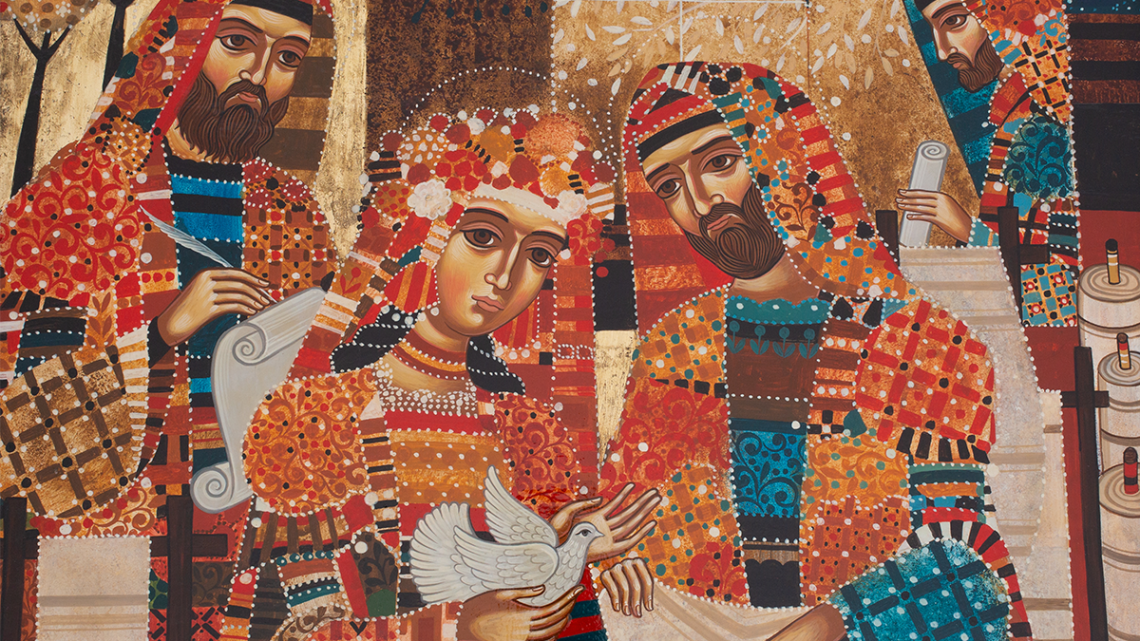
Egalitarianism isn’t a denial of difference. In fact, it is precisely because women and men are different that women’s voices need to be heard. This is something my wife has helped me to understand more fully. We bring different experiences and perspectives to life, and those differences matter, especially when…
-
 Continue reading →: How Much Space Would God Need?
An atheist recently asked whether Christians consider the scale of space God would have to occupy in order to know everything. I answered: The question presumes God is contained by spacetime and dependent upon it for existence. But that raises a more fundamental question: what kind of deity are we…
-
 Continue reading →: Evolution, Genesis, and the Choice
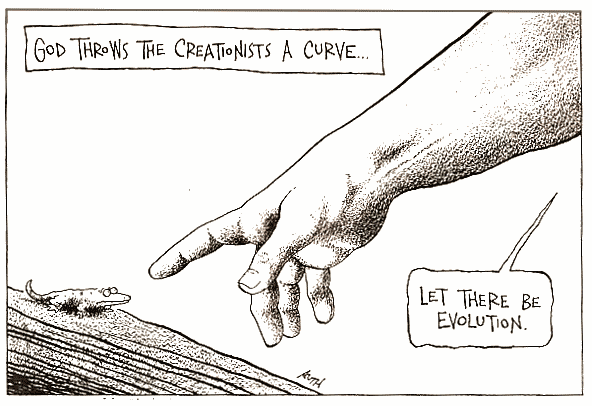
Can a Christian believe in evolution? For many, there seems to be a binary choice between accepting Scripture or accepting evolution, but not both. If Genesis tells us that God created the world in six days, that Adam and Eve were the first humans, and that biological death entered the…
-
 Continue reading →: Was the Serpent Actually Telling the Truth?
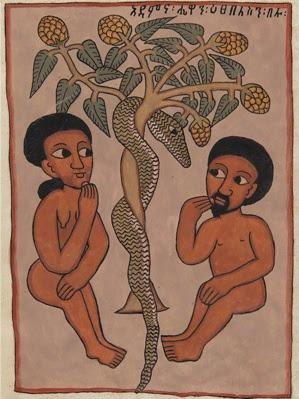
I’ve come across this argument from Bible skeptics and critics more times than I can remember: the story of Adam and Eve actually shows the serpent telling the truth and God lying. At first, that sounds like a serious problem. God tells Adam that if he eats from the tree…
-
 Continue reading →: Does God’s Omniscience Contradict Free Will?
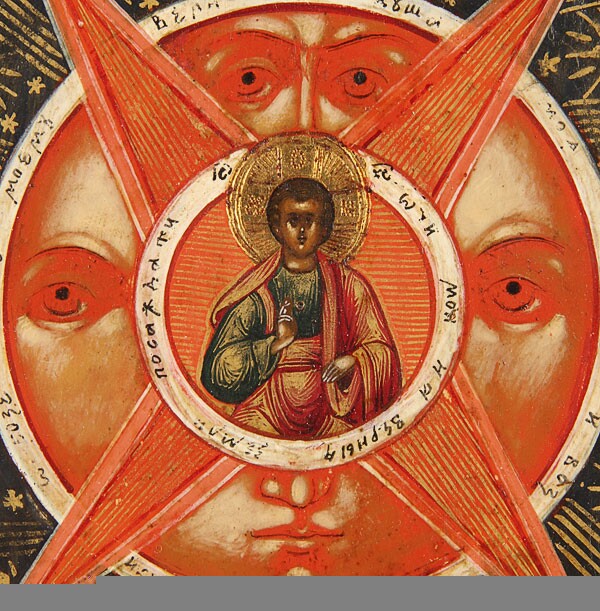
Atheists I have encountered often insist God’s omniscience and human free will are contradictory: if God already knows what I will choose, how can I genuinely be free to choose otherwise? But this assumes that God’s knowledge causes or determines my choice. It does not. God’s knowledge of your choice…
-
 Continue reading →: Between Order and Chaos: Consciousness, AI and Creation
Between Order and Chaos I have been interested in complexity theory and chaos mathematics for a long time. One of the things I find fascinating about complex systems is that they often behave in ways that cannot be understood simply by looking at their individual parts. A brain is made…
-
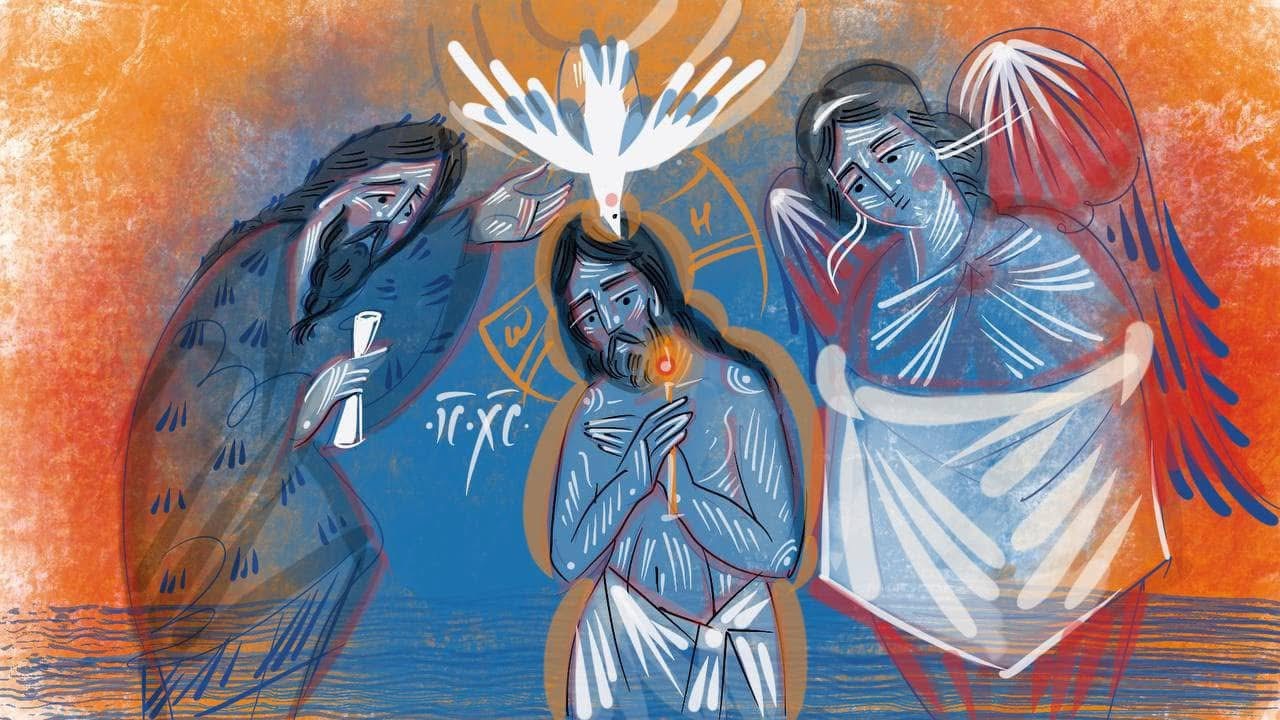 Continue reading →: Was the Trinity invented at Nicaea?
One of the common arguments I hear against the Trinity is that it was invented at the Council of Nicaea in AD 325. There is a small grain of truth in this, but only if we are careful about what we mean by “invented”. The doctrine of the Trinity did…
-
 Continue reading →: Relational Faith vs Propositional Faith: Believing or Following?
I’ve been thinking about why I tend to talk about Christian faith in such strongly relational terms. I suspect it has something to do with where I locate the centre of faith. For me, faith is ultimately about a person: Jesus. It is about trusting him, giving myself to him,…
-
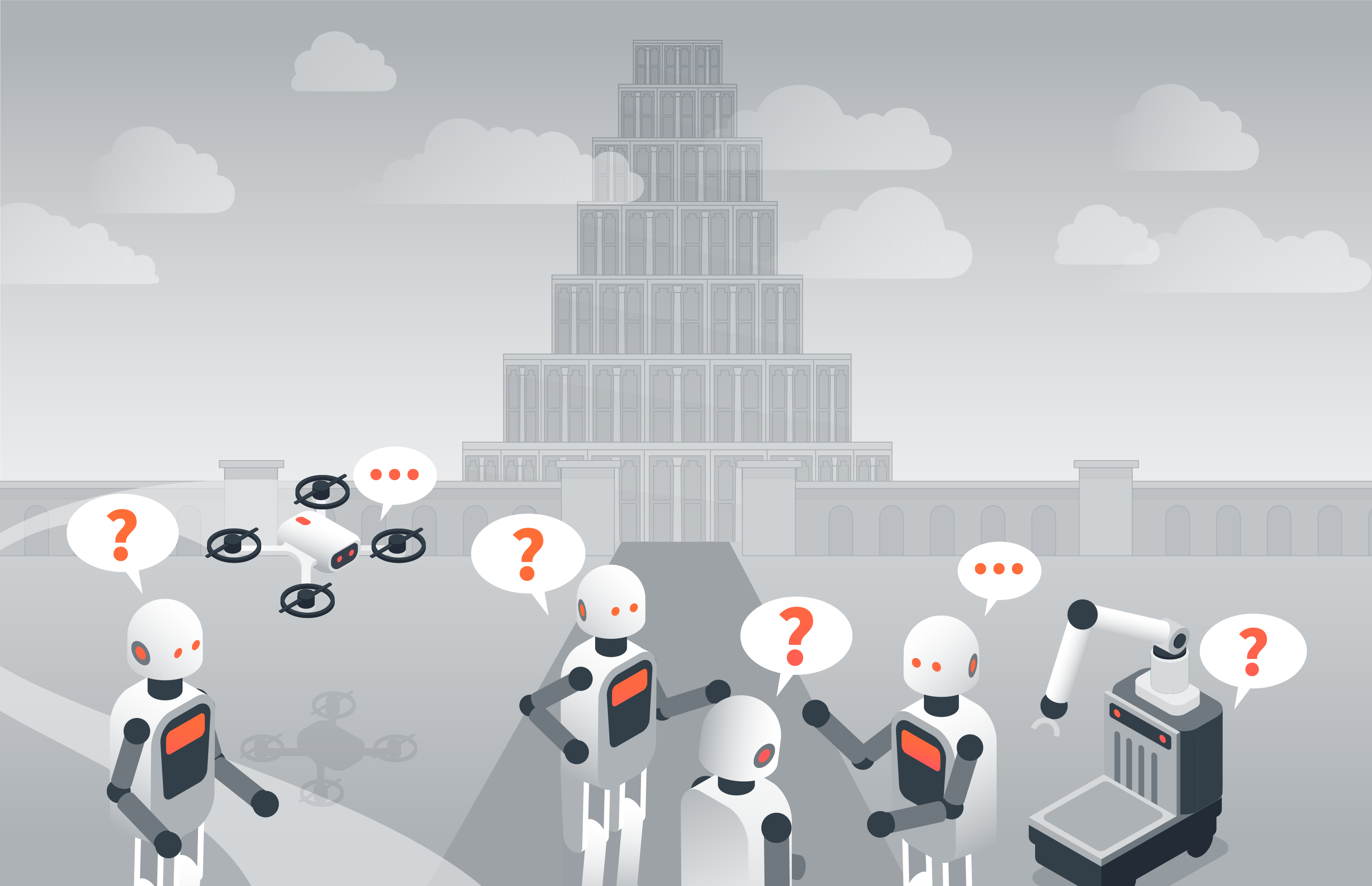 Continue reading →: AI, Human Agency, and the Future of Local Community
I’ve been thinking about the AI arms race and the fears that come with it. There are the obvious concerns about AI becoming uncontrollable and potentially catastrophic, but there is another concern that I think gets less attention: what happens to human agency when enormous technological and economic power becomes…
Curious Christian
Exploring life, art, spirituality, and the way of Jesus

Art Atheist Australian Bible Books Buddhist Celtic Christian Church Contextualisation Faith God Gospel Hindu Holy Spirit Jesus Justice Leaders Love Magic Meditation Mission Money Movies Muslim Mystery Myth Nature Pagan Peace Politics Prayer Psychology Revelation Salvation Seasons Sexuality Sin Symbols Technology Trinity Violence War Women Worship