In his book, Is God to Blame?, Gregory A. Boyd makes some astute observations about the known and the unknown:
We customarily assume we know a lot about creation but very little about God. After all, we can see creation but we can’t see God. Creation is finite but God is infinite. While we can explore creation, we can’t explore God. And since it is assumed that God directly or indirectly controls everything in creation, we are inclined to attribute the arbitrariness of creation to his mysterious will.
…I argue for the opposite view. Because of God’s self revelation in Jesus Christ, we can be confident of our knowledge about God’s character and general purposes for our life. What we can hardly begin to fathom, however, is the vast complexity of creation, a creation that includes untold number of human and spiritual free agents whose decisions affect much that comes to pass.
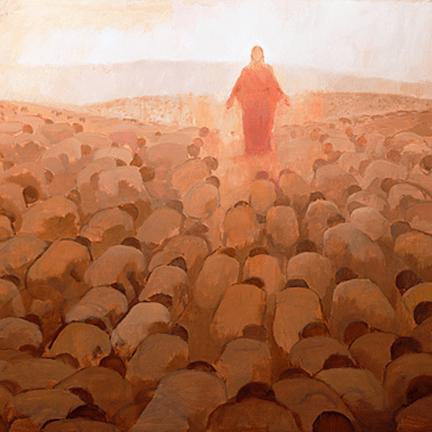
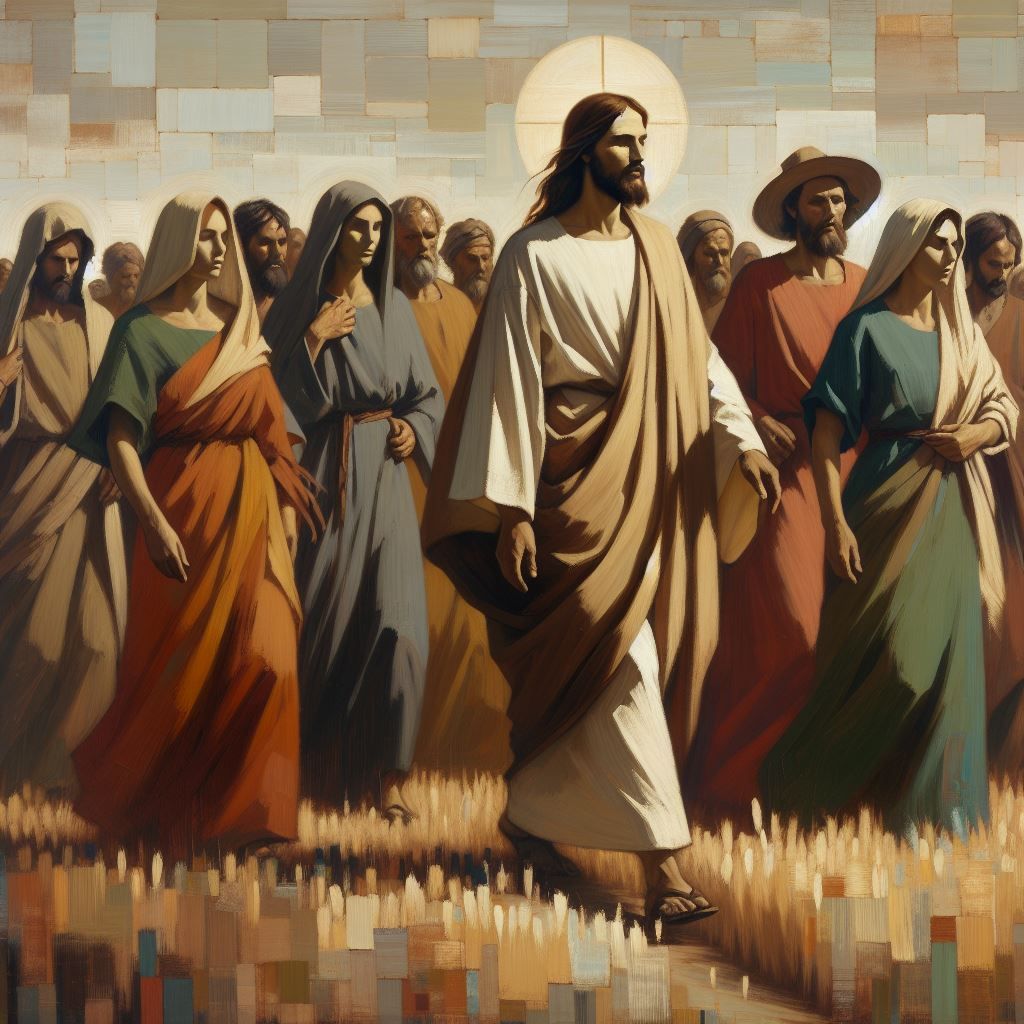
This is not at all to suggest that we know everything about God. To the contrary, there are aspects of God that are utterly beyond comprehension. But we can know what is most important to know, namely, that when we see Jesus Christ we see God. In Christ we confidently know God’s character and purposes. Hence, unless we have good reason to think otherwise, we can assume that whatever appears inconsistent with the character and purposes of God revealed in Jesus Christ ultimately comes from agents who oppose God. However, we know next to nothing about how these agents wills affect what comes to pass.
Behind every particular event in history lies an impenetrably vast matrix of interlocking free decisions made by humans and angels. We experience life as largely arbitrary because we can’t fathom the causal chains that lie behind every particular event. In Christ, God’s character and purposes are not mysterious, but the vast complexity of the causal chain is. The mystery of evil, therefore, is about an unfathomably complex and war-torn creation, not about God’s character and purposes in creation.







 Curious Christian
Leave a reply to Janet Cancel reply