Negative theology is, somewhat ironically, on my mind this week. On the one hand I’ve been reflecting on The Mystical Theology and The Cloud of Unknowing. On the other hand I’ve been observing that, although I haven’t blogged on meditation and mysticism much this year, it has historically been a topic that’s prompted much conversation on this blog. So here’s what’s been percolating to the surface as I dwell on all this. I’ve been wondering, what does negative look like from a Christ-centred perspective?
Blogging on Mediation and Mysticism
This is an important question for me as meditation and mysticism were a primary focus of mine when I first started blogging back in October 2004. To the extent that I called my first blog Circle of Dionysius, primarily after the Pagan convert of Acts 17, but not without allusions towards the author of The Mystical Theology as well.
How things have changed. While I still meditate and still blog about meditation, my focus has shifted away from it as I’ve become far more Christ-centred in my orientation and far more explicit about my Anabaptist influences over and against the Mystic ones. The Mystical Theology is many things, but Christocentric it ain’t, so it hasn’t sat well with me.
But now I’m wondering if I’m in a position to approach mysticism again from a fresh perspective. Over the last few months I’ve been thinking more and more about meditative prayer. Now I’m thinking, what about mystery?
Mystery from a Christ-centred perspective
Theologies of mystery are the natural, negative counterpoint to theologies of revelation. Just as God has made himself known, there is also a sense in which God transcends our understanding and thus remains hidden and unknown. Where the Mystical Theology grates with me is that it leaps from the self to God with barely a mention of Christ, the mediator.
So again, what does negative look like from a Christ-centred perspective? I’ve been thinking, if Christocentric theology is characterized by movement from the particular to the universal, then really we have to begin with the unknown as it is known, through particular events, through particular people. Particularly through the life, death and resurrection of Jesus.
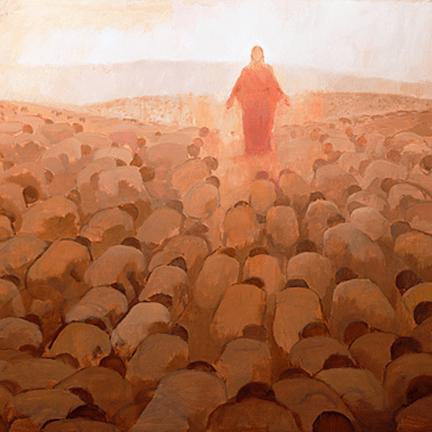
I’ll try and articulate this as best as I can, but what leaps out for me is this. The good news is, in one sense, unspeakable news, unfathomable news. The resurrection of Jesus confounds our expectations, it confounds our life experiences. We have nothing to compare the Messiah to. This is why we struggle to even recognize the resurrection as truth. In one sense, it is easier to say what the resurrection was not than what it was. The events themselves push up against the limitations of our logic, of our life experiences. God is revealed, but is still hidden in the sense that we just can’t take it all in. This is the beginning of wisdom, awe before the mystery of the God revealed in and through Jesus.
What we have here is a sort of apophatic evangelism, apocalyptic mysticism. The ascended Lord, though hidden, breaks the seals and reveals all. The Word stuns us into wordlessness. I’m not sure if that makes sense to any of you. I’m not even sure if it should. In so far as it’s understandable, maybe it’s misunderstood.







 Curious Christian
Leave a reply to Ron Krumpos Cancel reply