-
 Continue reading →: Revel in Summer: A Prayer by David Johnson
Dear God,Let us revel in summer.Let us soak up the long days and warm sun.May our feet walk on sandy beachesand our heads rest on thick grass under blue skies.May we listen to and marvel at the singing of the birdsand stop to watch blissful children at playThis summer, God,…
-
 Continue reading →: A Sonnet of Transfiguration
Given we have just passed the summer equinox in Australia I felt it an appropriate time to share “A Sonnet of Transfiguration” by Malcolm Guite. It speaks of the transfiguration of Jesus and may be found in his book, “Sounding the Seasons”: For that one moment, in and out of…
-
 Continue reading →: Full moon reflections
As the moon reflects The light of the sun May our lives mirror The love of the One
-
 Continue reading →: The Complex Intersection of Victimhood and Accountability
Does victimhood free one from moral responsibility? If we consider someone oppressed, are we morally obliged to overlook ANYTHING they do to their oppressors? Do boundaries no longer apply? While the conflict in Palestine is the one getting attention presently, my question extends to all conflict situations. Because I think…
-
 Continue reading →: When YHWH is more merciful than we are willing to accept.
In our cultural imagination, YHWH often wears the robes of judgment, a celestial critic ready to pounce on the slightest misstep. The tale of Jonah, however, beckons us to question this caricature. This story from the Old Testament presents Jonah as a reluctant prophet. That is, after all, how Jonah…
-
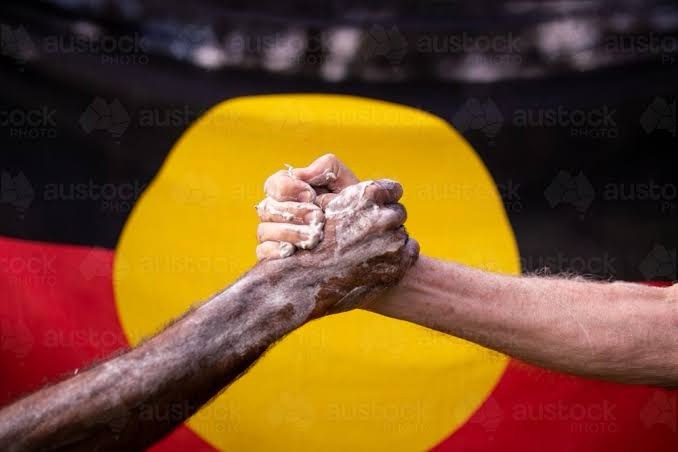 Continue reading →: The Long Road to Justice: Indigenous Australians’ Fight for Recognition
Following from my comments the other day on Jesus and his teachings on social status, I want to turn my attention to the place Indigenous Australians in Australian society. Indigenous Australians have a unique and rich cultural heritage that predates European colonization by tens of thousands of years. However, their…
-
 Continue reading →: Embracing the Unknown: Deconstruction as an Opportunity for Spiritual Growth
I was sitting down to pray when my thoughts turned to those of you who, for want of a better term, are going through a deconstructive phase in your faith. I just want you to know that you are not alone on your journey of deconstruction. It can be a…
-
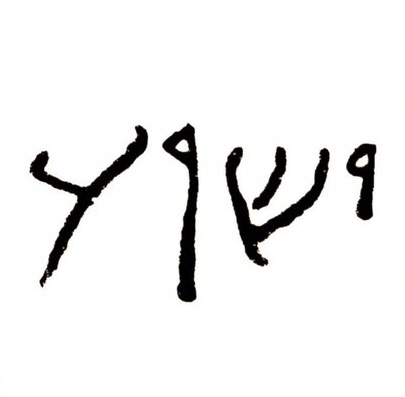 Continue reading →: How did Jesus come to be called Jesus?
In the city where I live we have a lot of migrants – from India and Iran and elsewhere – and it’s not unusual for them to have both an “Aussie name” and a birth name. The reason for this is quite simple: their native languages often contain sounds and…
-
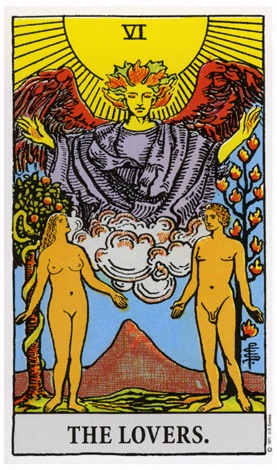 Continue reading →: The Bible and The Tarot
Both the Bible and the Tarot use symbols and stories to convey deeper truths about the human experience, and I find it fascinating how these two seemingly different systems can intersect and inform each other. In the Bible, there are many archetypal figures that represent different aspects of the human…
-
 Continue reading →: Why literalist ways of interpreting the Bible are not always the most faithful
When someone takes a literalist approach to the Bible, they tend to assume that every word of the Bible was written to be taken at face value and applied to our lives in a very rigid way. However, the Bible is a complex and multifaceted text that was written in…
Curious Christian
Exploring life, art, spirituality, and the way of Jesus



Art Atheist Australian Bible Books Buddhist Celtic Christian Christmas Church Contextualisation Diversity Faith Gatherings God Hindu Jesus Justice Leaders Love Magic Meditation Mission Money Movies Muslim Mystery Nature Pagan Peace Poetry Politics Prayer Psychology Revelation Salvation Seasons Sexuality Sin Symbols Technology Violence War Women Worship
 Curious Christian