-
 Continue reading →: Is patriarchy essential to Christianity?
No, patriarchy is not essential to Christianity. While some interpretations of Christianity have traditionally emphasized male leadership and dominance over women, there is nothing inherent in Christian doctrine that requires or condones patriarchy. In fact, there are many examples of women playing important roles in the Bible and in Christian…
-
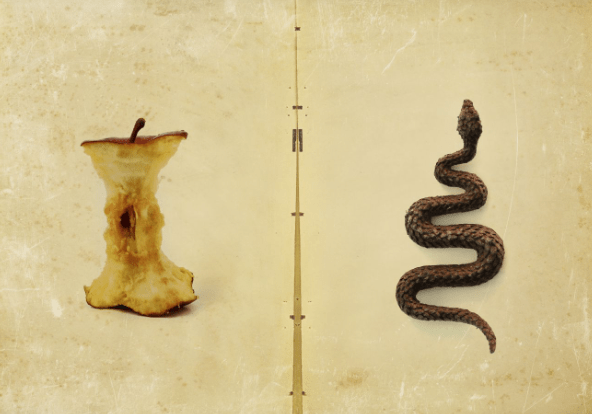 Continue reading →: The Doctrine of Sin: How we make it needlessly offensive
Have you ever noticed how the doctrine of sin can sometimes be unnecessarily offensive? Like many of you, I’ve seen firsthand how this doctrine can be abused, causing harm and creating division. In this blog post, I want to explore some of the ways we make the doctrine of sin…
-
 Continue reading →: Grace and Karma: How Christianity Views Cause and Effect
I have always been fascinated by the concept of karma. It’s one of those ideas that transcends religious boundaries and speaks to something universal in the human experience. But, as I’ve delved deeper into the topic, I’ve come to a somewhat different perspective on what karma is and what it…
-
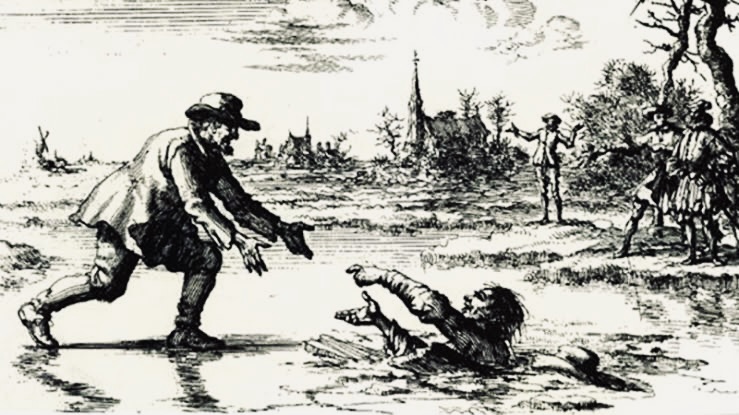 Continue reading →: What is Anabaptism?
Anabaptism is a Christian tradition that emerged in the 16th century during the Protestant Reformation. While Anabaptism has its roots in historic Christianity, it has some distinct beliefs and practices that set it apart from other Christian traditions. In this post, I will briefly be exploring the history and key…
-
 Continue reading →: The Prayer of Saint Patrick
I arise today Through a mighty strength, the invocation of the Trinity, Through a belief in the Threeness, Through confession of the Oneness Of the Creator of creation. I arise today Through the strength of Christ’s birth and His baptism, Through the strength of His crucifixion and His burial, Through…
-
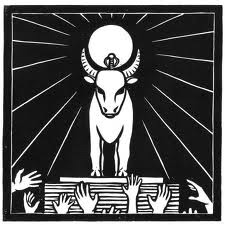 Continue reading →: What is Paul’s primary concern in Romans 1?
I get the impression that many preachers consider the primary sin being highlighted in Romans 1 is homosexual sex. However, when I look at the way Paul structures his argument it would seem things are otherwise, that the primary sin being highlighted is actually idolatry. This is why the “therefore”…
-
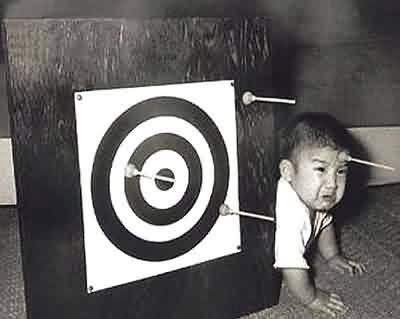 Continue reading →: Falling short in how we explain how we fall short.
I think we often make the doctrine of sin unnecessarily offensive by failing to make clear that any imagined dualism between “good people” and “bad people” is thoroughly rejected by Jesus and the apostles. Jesus insisted that all have sinned, that all have fallen short, so none of us is…
-
 Continue reading →: The problem with Paul
The problem with reading Paul in isolation from the rest of the New Testament is that we end up with an imbalanced view of apostolic practice and teaching. The letters of James, Peter, John, and Jude, and the Gospels of Matthew, Mark, Luke, and John all offer important insights into…
-
Continue reading →: The Confession of Dirk Willems
The Confession of Dirk Willems Source: https://carolpenner.typepad.com What I remember mostis the joy of God’s words on our lips,in our hearts.That good news bubbling out,freely shared with any person we met,old categories of friend and foe forgotten.I remember the power of God changing us,from empty Christiansto disciples full of fire.I…
-
 Continue reading →: Meditation and the Bible
The first mention of meditation in the Bible comes from the story of Isaac and Rebecca, in the book of Genesis. It reads, “He went out to the field one evening to meditate, and as he looked up, he saw camels approaching.” Now of course this particular text is only…
Curious Christian
Exploring life, art, spirituality, and the way of Jesus
Let’s connect

Recent posts


Art Atheist Australian Bible Blogging Books Buddhist Celtic Christian Christmas Church Contextualisation Ethics Faith Gatherings God Hindu Humour Jesus Justice Leaders Love Magic Meditation Mission Money Movies Music Muslim Mystery Nature Pagan Peace Poetry Politics Prayer Psychology Revelation Seasons Sexuality Sin Symbols Technology Violence War
 Curious Christian