How many of you have struggled with depression?
Geoff Pengilly was writing on how to deal with depression the other day and, well, lets just say the practical suggestions I had to offer are just far too fresh in my mind this week for my own good. Though others may find it helpful.
Geoff
There are a few comments I would add as someone who has struggled with depression on the odd occasion and who indeed was initially motivated to seek God through a period of deep depression in my late teens.
Firstly, what I have found helpful above all else is meditation.
It is unfortunate that you haven’t mentioned this supremely beneficial practice at all but I recognize that meditation is neglected within many strands of evangelicalism so I don’t single you out here. What I would challenge you to do though is to re-examine what the Bible (and especially Psalms) says about meditation and consider the implications for pastoral care and how you might guide a sufferer. Personally I would recommend meditations on faith, hope and love.
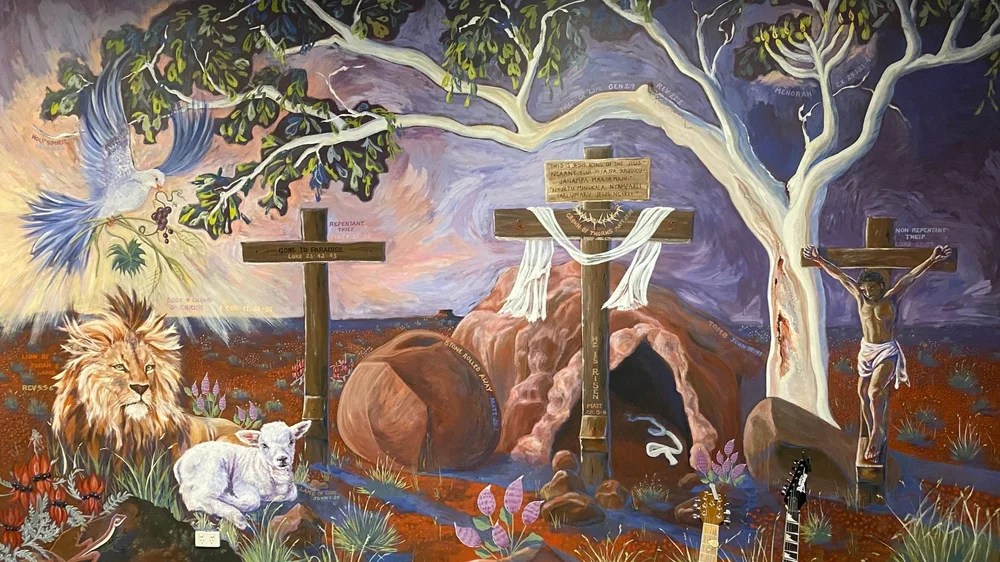
Secondly, the story I always find most helpful is the one of Jesus’ anguish in the garden. Knowing that God is not aloof from suffering but (in Jesus) experienced anguish himself can be comforting and instructive. The promises of God are of eminent value but sometimes, before we can hear God, we just need to know that God hears us and stands with us.
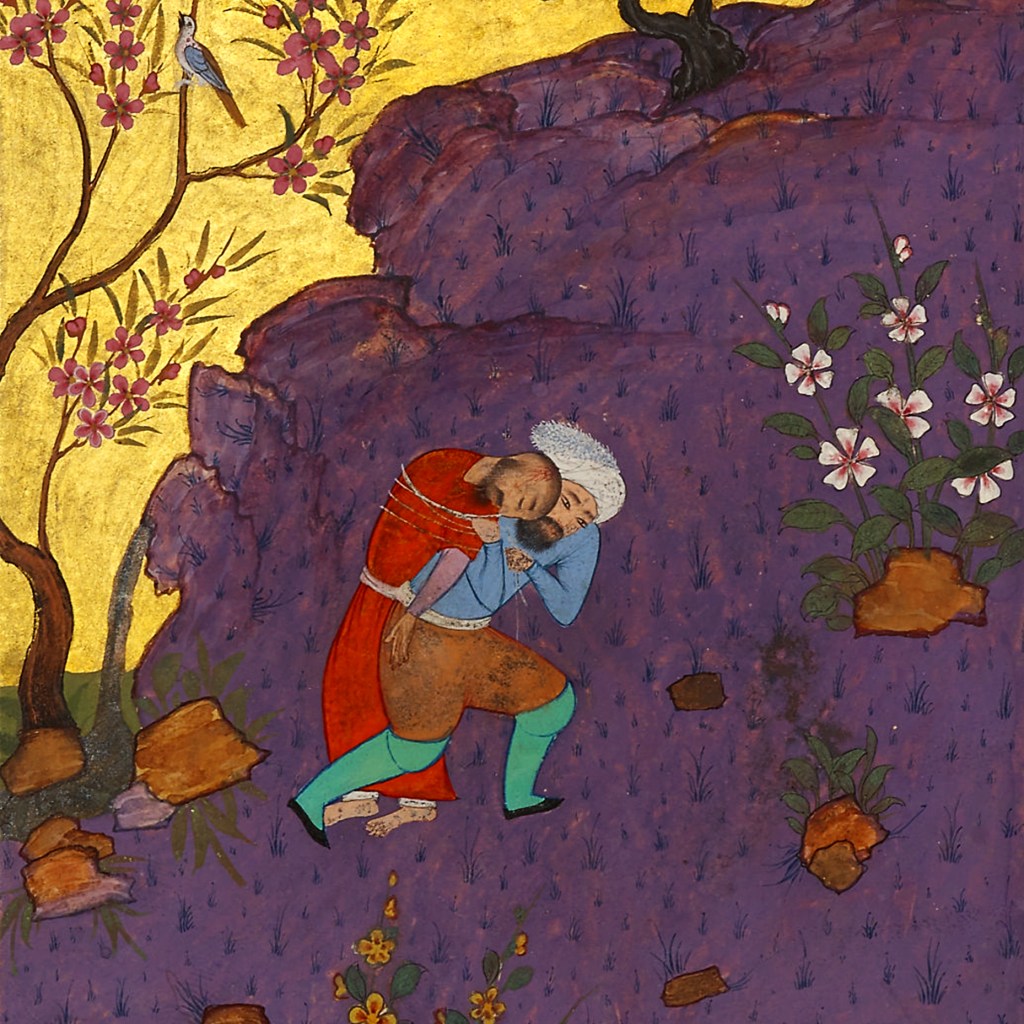
In this respect I am also reminded of the book of Job where Job’s friends sit with him for seven days saying nothing. Sometimes we can leap too readily into denying suffering, covering it over with positive self talk. As a male I find it important to acknowledge my feelings, give myself permission to feel, genuinely feel, before seeking a fix. Depression can sometimes leave you numb. Healing involves opening to vulnerability again. You mentioned forgiveness; what I am talking about here involves self-forgiveness.
You also mentioned turning away from self and facing God. I agree that this is most beneficial and I am reminded of a saying – don’t focus on the mountain, focus on the mountain mover. This of course readily takes me back to meditation and one verse I find it beneficial to meditate over is the ‘seek first the Kingdom of God’ passage.
Beyond practical matters there are also some theological and missiological issues to dwell on. In the alternate healing movement, psychology is often closely linked to spirituality, such that the two can be seen as thoroughly entwined. Mind, body and spirit are view holistically. Contrast this to contemporary evangelical understandings that are often grounded in mind-body dualisms that owe more to Descartes than Genesis. We have this funny situation where non-Christians are sometimes more in tune with the ancient Hebrew understandings of mind, body, spirit inter-relationships than Christians are themselves. What is the growth of alternate healing / holistic spirituality saying back to the church?







 Curious Christian
Leave a reply to Matt Stone Cancel reply