I’ve been reading ‘The Forgotten Ways’ by Alan Hirsch, having finally secured a copy, and have been reflecting once again on the neotribalization of the West and my own place within it. And you know, when I reflect on my own cultural identity, I think I have to place myself amongst the incorrigible eclectics.
I have been finding it interesting to reflect on the various reconstructionist Pagan traditions in comparison with emerging Christian traditions. One of the most obvious parallels is that between Druidic and Celtic reconstructionist Pagan groups and the NeoCeltic and NeoMonastic Christian groups such as Iona.
These traditions, despite their very different spiritual orientations, all draw heavily from Celtic history (both real and reified) and see Celtic culture as a locus of identity. The cultural distance between these groups would seem to be less than that between Paganism and Christianity in general.
Now that’s all very well and good for some, but I don’t identify with that at all. While I feel some affinity for Celtic spirituality I could equally say the same for eastern spirituality, if not more so. This got me thinking about the other Pagan paths, like the Asatru, Khemetic, Heleic and Shamanic traditions … and finally … eclectic Paganism. You know, of all the Pagan pathways, I probably identify with eclectic Paganism and the Chaos magical traditions the most. Not surprising, you might say, given my New Age background. After all the New Age is eclectic if nothing else! But how does this relate to tribalization, cultural identity and Christian spirituality?
Well, here is my take on it. Eclectics are distinguished by a lack of identification with a singular culture or ethnic group or religious tradition. It could be because they are literally poly-ethnic or bi-cultural, or because they are drawn to the exotic or more global issues and find identification with a singular culture or tradition way too limiting.
I personally find NeoCeltic Christianity not to my taste for a variety of reasons, one being that quite simply, as a sixth generation Australian, I have no more identification with the Celtic homeland than I do with anywhere else overseas. But the people I love mixing with are not your parochial sort of Aussie either. Rather, I gel best with the true internationalists, with multicultural individuals who’ve taken on board all sorts of exotic influences. I love talking about travel, I love living in the ethnically diverse suburb that I do and I could max lyrical for hours about Jung, Campbell, theosophy and cross cultural mythology. My cultural sampling is not biased to a particular culture.
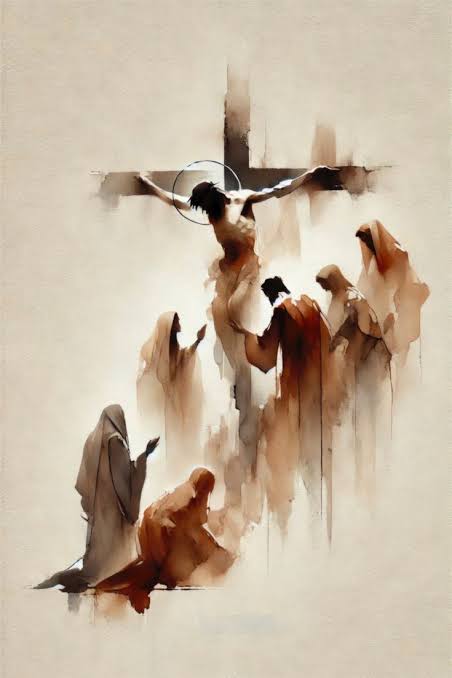
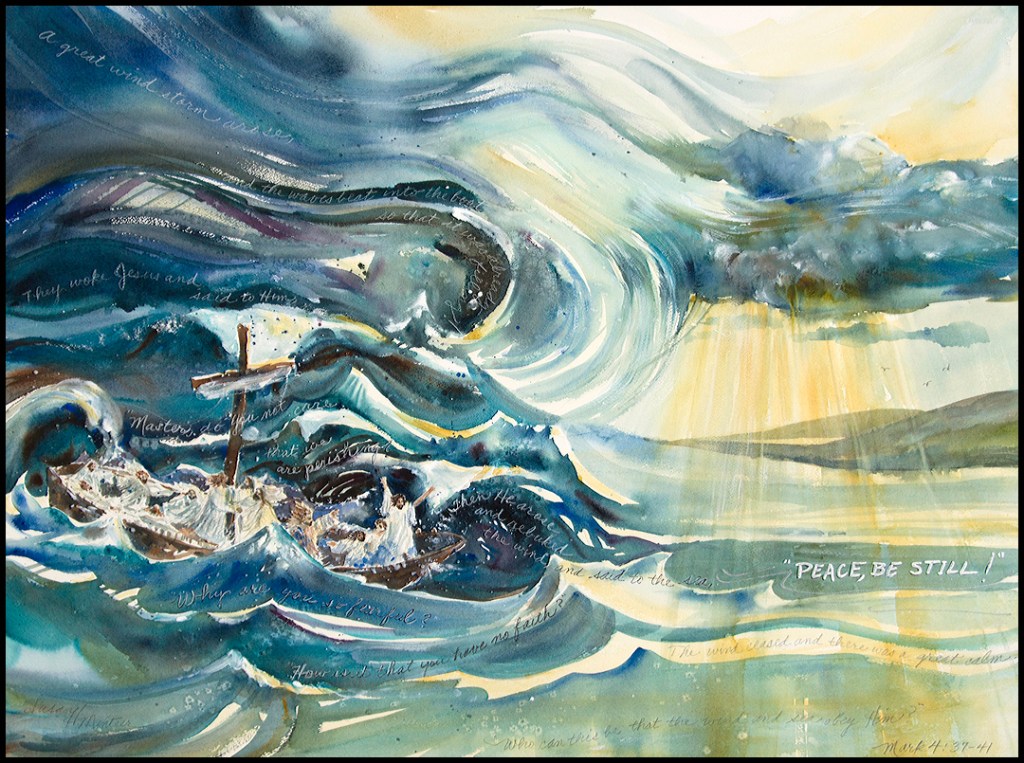
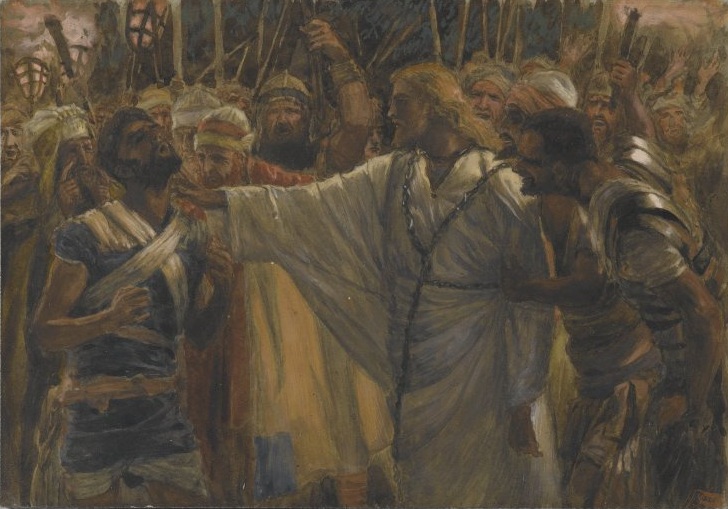
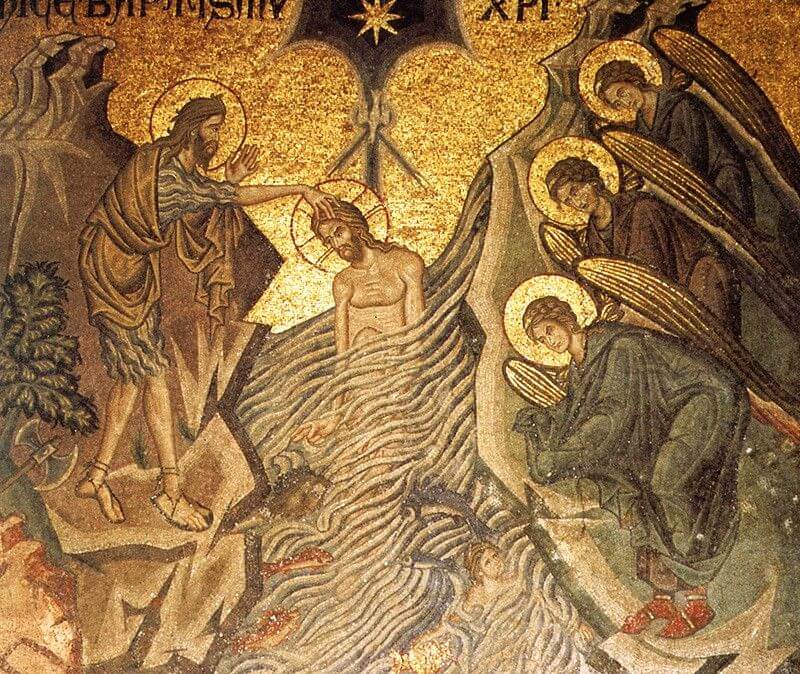
So if I had to name my tradition I would probably call myself a culturally eclectic Christian. My blog photo gallery says it all.
But doesn’t eclecticism have a reputation for fluffiness? Yes, and to be honest some of it is well deserved, but here again it’s worth noting some of the eclectic Pagan literature on the subject. There’s a joke that goes, “What’s the difference between eclecticism and ethical eclecticism.” The answer? “References” I think there’s a lot of truth in that, that we should be careful to distinguish between fluffy eclecticism and critical eclecticism, and that one of the primary differentiators would have to be the attention given to the context of whatever you’re appropriating.
Now there are both strengths and weaknesses to an eclectic Christian path. It is both ephemeral and idiosyncratic – you are unlikely to find others following precisely the same path, you are unlikely to be able to pass it on in detail and you are unlikely to receive detailed instruction in it. It requires a lot more personal nous in terms of how to contextualize Christianity faithfully for yourself, if it is not to fall into the fluffy category, and a lot more give-and-take in a group context. But in another sense that is exactly its strengths – what you are interested in passing on is the core essentials, not your cultural idiosyncrasies.



 Curious Christian
Leave a comment