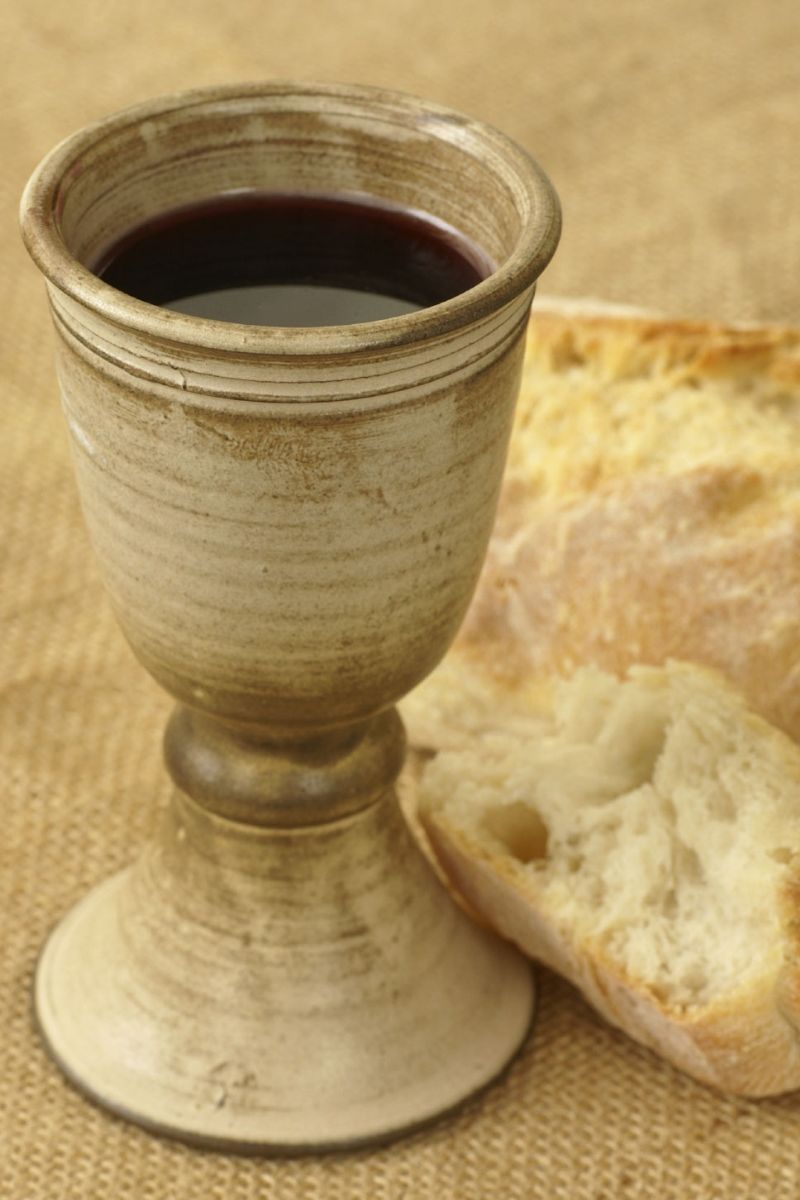
Some of you may have noticed I recently started a new thread on ritual crafting and started by tentatively articulating how we run some of our home gatherings. Why did I call it ritual crafting? Well because I want to go way beyond talking about alternative worship.
But before I get too deep into this I’d like to sketch out a basic framework for how to understand ritual. In “Understanding Folk Religion,” Hiebert, Shaw and Tienou offer a threefold model I have found particularly helpful:
Rituals can be divided into three major types: rites of transformation (to create new order and move individuals and groups through life), rites of intensification (to reinforce existing order), and rites of crisis (to enable people to survive emergency situations). Each of these serves an important function in the life of communities and individuals.
Now, there are plenty of alternative models, some of them using the same language in different ways, but I’m not going to belabour that here. What I do want to make clear is just that there are different types of ritual and that understanding this can help you to navigate an otherwise confusing terrain. So, to elaborate further:
Rites of Transformation. These rites focus, “not on restoring an already established order, but on creating a new one in which individuals and communities are radically changed. They do so by creating an expectation of something new, and by involving participants in intense experiences of liminality, spiritual encounter and communitas.” In short, these are your rites of passage and include events like weddings and group initiation ceremonies.
Rites of Intensification. These rites “publicly reaffirm the existing social and religious order, which become blurred and forgotten in ordinary life.” They are characterised by predictability and are often cyclical, occurring daily, weekly, monthly or annually. Secular examples include birthdays, festivals and anniversaries. Sometimes this reaffirmation “is achieved by reversing normal status and roles for a time to show that changes only lead to chaos.” An example of intensification by reversal is Halloween.
Rites of Crisis. These rites tend to be unscheduled and come into their own when disastrous change strikes the community, or threatens it in some way, creating anxiety and uncertainty. These crises may involve individuals, families or the community as a whole. The rites effect healing and hope by reinforcing bonds and pointing to the transcendent beyond everyday experience. The spontaneous outpouring of grief at the death of Princess Diana could be regarded as an adhoc crisis rite that brought people together.
So, where does Christian ritual sit within this framework? In “Anthropology and Theology” Douglas Davies writes:
“…if Baptism is the symbolic rite of initiation, involving the death of the old self and the birth of the new through contact with the divine Spirit, then the Eucharist is the prime rite of intensification…”
Are these our only rites of transformation and intensification? And what are our rites of crisis? And are we locked into the past? I want to explore all this and more in future posts.




 Curious Christian
Leave a reply to Matt Stone Cancel reply