Before I go. I have been mulling over this article on Christology and Social Justice tonight, and the implications that some of my reservations with it have for my overall understanding of mission.
The issue? While the article affirms the importance of descending Christology for thinking about social justice, the thing is I, without disputing that, would take ascending Christology far more seriously than the author. And in saying that, I realize I am also saying that incarnational paradigms aren’t the be all and end all.
Now, for those of you who have no idea what I am talking about …
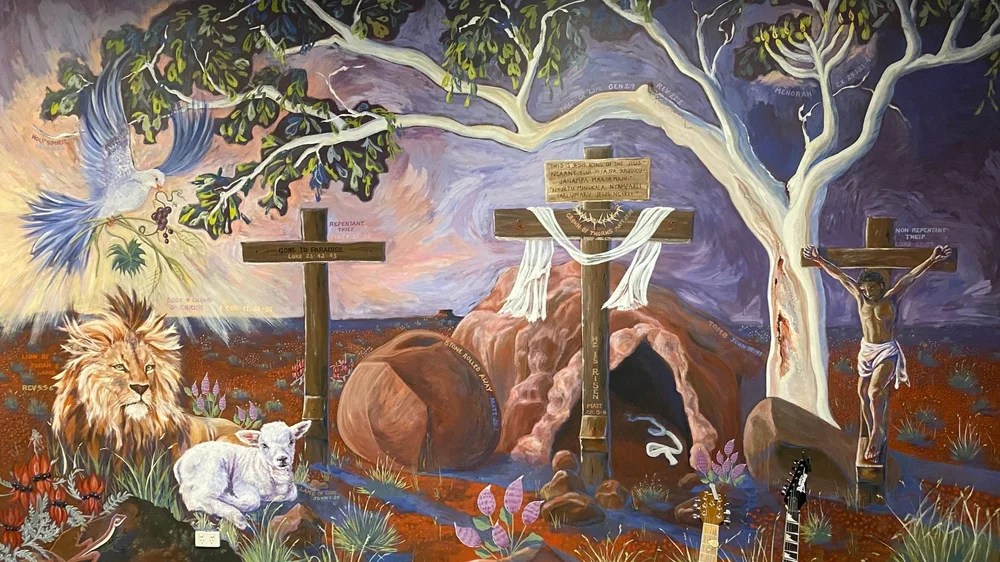
Ascending Christologies (or Christologies “from below”) begin with the humanity of Jesus, emphasizing the recognition of his divinity in his crucifixion, resurrection and ascension. The gospels of Matthew, Mark and Luke are representative of this approach.
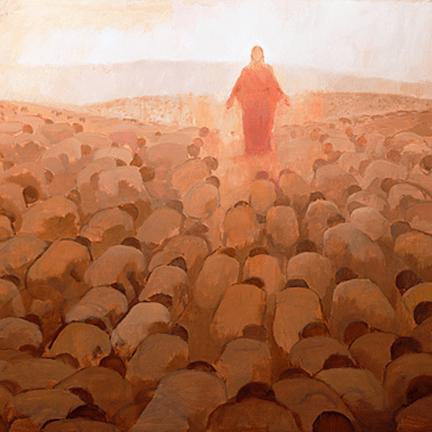
Descending Christologies (or Christologies “from above”) begin with the divinity of Jesus, emphasizing his taking up of humanity in the incarnation. The gospel of John is representative of this approach.
Now, both are biblical, but I have always had a stronger resonance with the ascending approach, particularly in apologetic conversations with New Agers and the like. But what about in social justice contexts? I realize that I have too much been going with the flow, without questioning conventional wisdom. But when I reflect on how deeply I myself have grounded my mission praxis in incarnational theology … and my apologetic conversations in the opposite … I realize … I need to integrate this more holistically. I need to be articulating why I believe inculturation is important for mission and social action, not only from a descending / incarnational perspective, but also from an ascending perspective.
You see, when we talk of the missional-incarnational approach we are automatically giving priority to a descending Christological perspective. But we are doing so in a context where many find the humanity of Jesus as the easier starting point. Something within me grates at that. I feel pulled to try to articulate something that flows both ways.
Hmmm, does that make sense to anyone?






 Curious Christian
Leave a comment