
I was digging around for more articles on theology and aesthetics when I came across “In the Beauty of Holiness: Wesleyan Theology, Worship, and the Aesthetic” by Kenton M. Stiles. Here are just a few quotes I jotted down for personal reference:
To this day, Tillich remains twentieth century Protestantism’s foremost spokesperson for theology and aesthetics.
Aesthetics is, of course, a branch of critical philosophy.
The sublime is also indispensable as a bridge from aesthetics to theology, in general, and to the doctrines of creation and revelation in particular.
The primary problem with Wesley’s aesthetic observations is the lack of consistency.
The Wesleyan-Holiness movement’s lack of a distinct aesthetic tradition and clearly defined relationships between aesthetics, theology, and worship does not mean that the movement is completely lacking traditions and roles for the aesthetic. What is missing are the theoretical and practical frameworks necessary for effectively situating the aesthetic within the whole of Wesleyan theology and implementing it in Wesleyan worship.
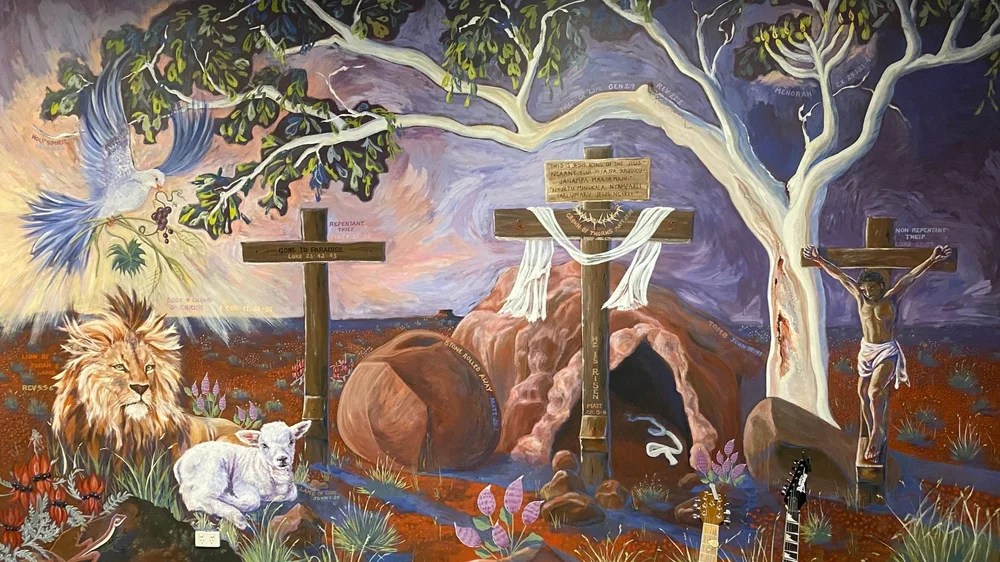
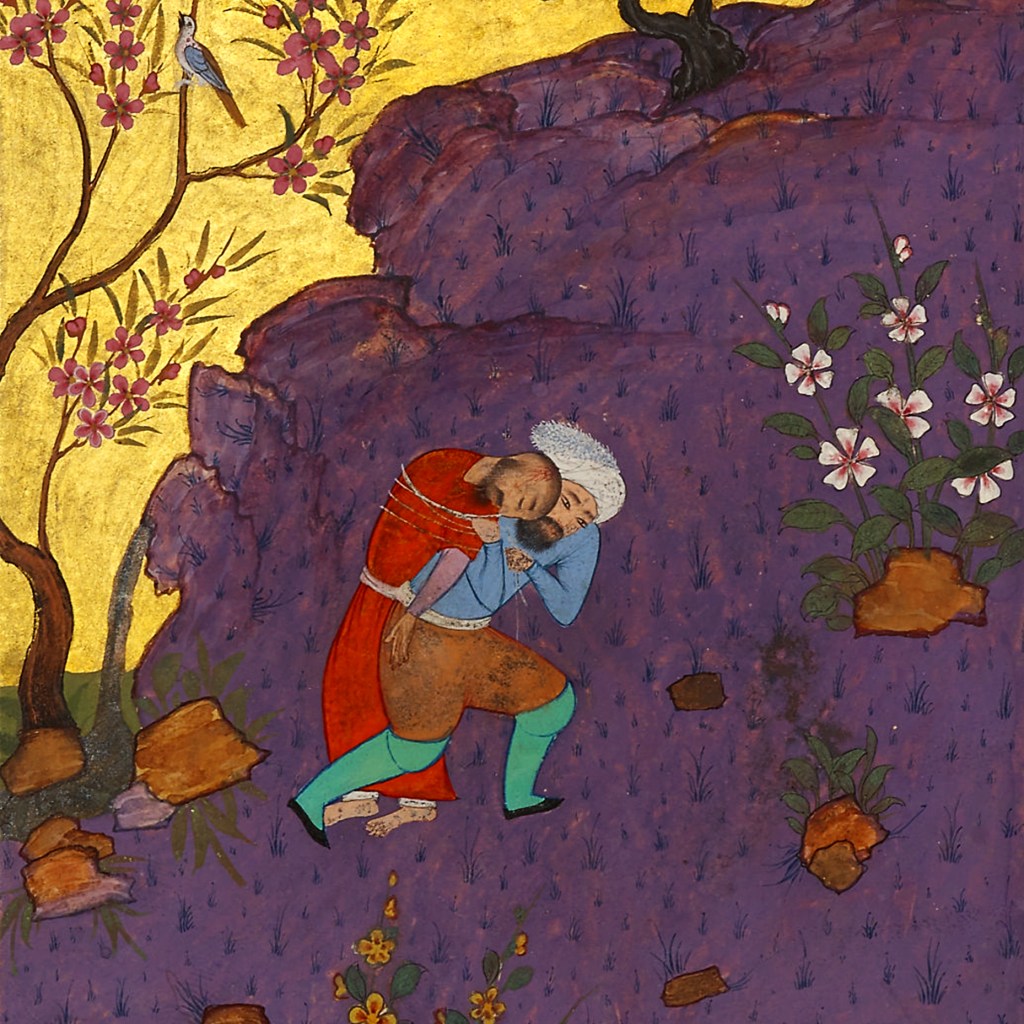
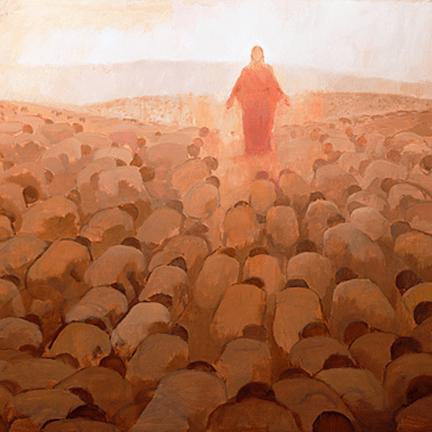
The language of worship traditionally includes prayer, song, poetry, and praise, through which God is worshipped via verbal communication. Yet other “languages” communicate our worship, as well. Painting, sculp¬ture, architecture, dance, instrumental music, and drama all create and articulate alternative symbolic languages which may powerfully express the thoughts and feelings of worshipping individuals and communities. Aesthetic forms of worship allow worshippers to represent and re-present God’s glory and sublime nature, the mystery of divine activity, and the wonders of salvation.
Mystical worship tends toward immediate and unilateral encounter, so it is difficult to speak of a communicative form or aesthetic mediation. On the other hand, the mystical perception of God’s real presence occurs through the aesthetic experience of glory, the sine qua non of theophany, angelic visitation, and spiritual transfiguration in biblical descriptions.
While the aesthetic is related to the emotions, it is also related to form and order. Thus the slow cadence of a sermon read without vocal inflection creates a certain aesthetic form, as does the weekly recitation of a memorized creed. Even if a congregation finds these events dull, that does not make the worship less aesthetic.
The sensation of pleasure, another once-important theme that modern aesthetics frequently ignores, is an essential aspect of aesthetic worship. Yet, as a philosophical discipline, aesthetics is concerned with the question of pleasurable value – value which is not based on the True or the Good, but upon the Beautiful. Aesthetic gratification is one of the needs that compels Christians to worship, and certainly the desire for an experience of spiritual beauty causes affective forms and language to be used in worship. But it is not just the beautiful act of worship which gives pleasure, but the result. If the chief end of humanity is to glorify. God, the completed act of worship will certainly have a moral value for the worshipper because the act accomplishes what is proper. However, the act also provides the Christian with aesthetic value through a sensation of pleasure or beauty derived from the process of worship rather than from conforming to an external requirement such as a Christian’s spiritual duty.
One incidental benefit of approaching theology aesthetically is that it offers a productive response to postmodernism. The deconstruction of intellectual hierarchies has leveled the “playing field” between the sources of theology; the aesthetic is thus validated as one of the more meaningful forms of human experience and, in turn, for theological reflection.
Attention to the aesthetic reinforces the Christian doctrines of creation and the imago dei. The sublime and beautiful in nature affirm the goodness of divine creative activity.
How does one create a work of art whose beauty shines for all to see? How does one produce a new and alternate image which challenges us? An answer may be found in aesthetically creative preaching.





 Curious Christian
Leave a comment