
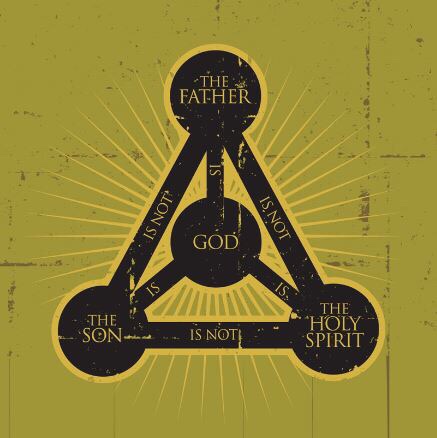
It’s increasingly fashionable to question not only whether God is unknown but whether God is even knowable. I think it’s a fair question—one I often ask myself. It can be a healthy exercise in humility, pushing us to consider the limits of human understanding. But how many of us have truly followed this line of thinking to its logical conclusion?
Take Pete Rollins, for example, the author of How (Not) to Speak of God. If you visit his website, you’ll find him exploring the idea that we “endeavour to speak of that which manifests in our world as a no-thing, as an absolute mystery which infuses our world with light and life.” This begs the question: is this really all we can say about God? Is mystery the final word?
Many people I know have taken this even further. They ask: if God is such an incomprehensible mystery, how can we even be sure that God exists? Or that God is good? Can we be confident that God is transcendent? Or even that God is singular? Could God be plural, or even polytheistic?
These are important questions, ones that shouldn’t be dismissed. But before we become too swept up in these doubts, it’s worth remembering the broader context of apophatic (or negative) theology. Dionysius the Areopagite, often regarded as the father of apophatic theology, also championed cataphatic (positive) theology. Dionysius didn’t explore God’s unknowability in isolation—he did so after affirming God’s knowability. He believed in a synthesis that transcended simple thesis and antithesis. There’s a wisdom in that balance if we’re open to hearing it.
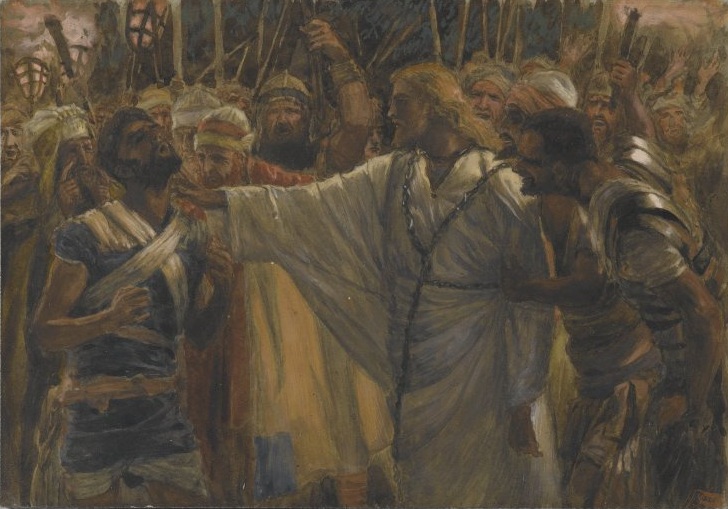
Pontius Pilate famously asked Jesus, “What is truth?” I wonder, are we really any further along than Pilate, or are we still circling the same question without grasping its depth?





 Curious Christian
Leave a reply to Matt Stone Cancel reply