
One of the crucial differences between magic and prayer, I find, is where the will fits into it all. In much of what’s traditionally called magic, the aim is to transform the world through the directed force of the will. Whether through ritual, symbol, or spoken word, the practitioner often seeks to align spiritual powers with their intention to bring about a desired outcome. In this sense, magic can be deeply creative, even hopeful—but it risks centering the self as the ultimate agent of change.
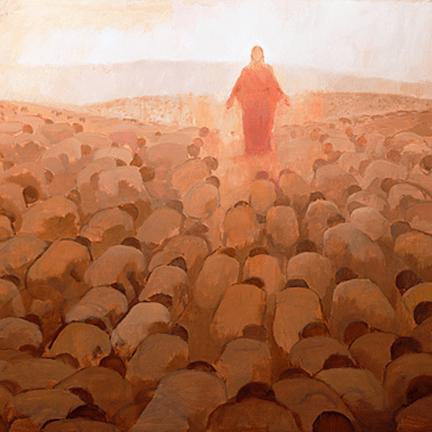
Prayer, especially in the Christian tradition, begins in a different place. Its aim is not to harness power to serve the self, but to open the self to the power and presence of God. Prayer seeks not first the transformation of the world, but the transformation of the will—from self-will to God’s will. This is not passivity. It is, in fact, the most radical kind of transformation: not bending reality to our desires, but having our desires reformed by love, justice, and mercy. And through this, paradoxically, the world is transformed.
That said, the distinction is not always neat. Some forms of prayer—especially when reduced to formulas or conditions (“If I just pray hard enough, God will do this”)—can start to look a lot like magic. And some forms of magic, especially in indigenous or folk traditions, are deeply relational, communal, and reverent—far from the ego-driven caricature we often imagine. There’s a human longing at the heart of both: a longing for healing, justice, connection, and hope.
Still, what sets prayer apart, at least for me, is this: it invites us not to master the universe, but to be mastered by love. In prayer, I am not the initiator of divine action—I am the respondent, the listener, the one being changed. And perhaps that is the most powerful kind of transformation there is.


 Curious Christian
Leave a comment