Lately I’ve been noticing something that really makes me pause: there are people out there who not only can’t tell if an AI-generated photo is real or not, but they genuinely don’t care. All that matters to them is how the image makes them feel. That, to me, is both fascinating and concerning
In a world where the line between what’s real and what’s artificially created is blurring, you’d think people would be more concerned about truth, authenticity, or at least accuracy. But for some, the emotional impact of an image outweighs whether it’s tethered to reality. It doesn’t matter if it’s a baby peacock created by an algorithm or a disaster scene that never existed. As long as it evokes a sense of awe, nostalgia, or joy, that’s enough.
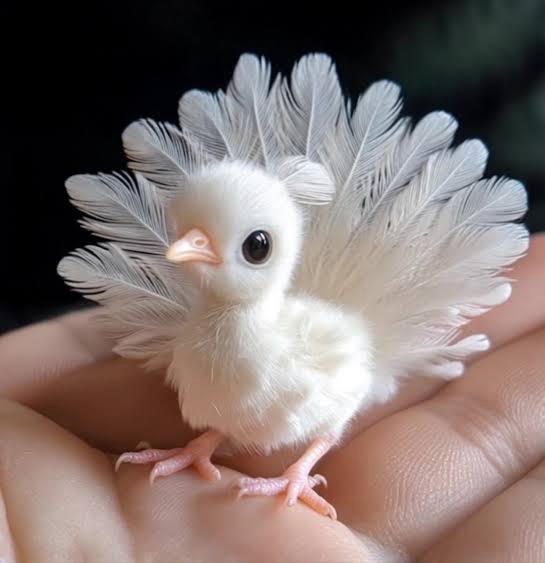
I wonder if this says something about the evolving role of truth in our lives. Are we moving toward a future where emotional resonance is more important than factual reality? Have we always been wired this way, and technology is just revealing it? In some ways, it’s not unlike how we’ve always approached art. Paintings, films, even music—these don’t have to be “real” to move us. But AI brings a new layer to this conversation because now, machines are creating with such precision that our ability to discern is being challenged.
Maybe that’s part of the appeal, too. When we no longer have to distinguish between real and not, we’re freed from the burden of questioning and can just… feel. But I can’t help but wonder—what does it mean for us if we stop caring about what’s real? If we embrace a world where what’s “true” is secondary to how something makes us feel, how does that reshape our understanding of authenticity, trust, and even ourselves?
It’s a curious shift in our collective thinking. And maybe, the more immersed we become in this world of AI-generated content, the more we’ll realize that truth has always been a bit more subjective than we’d like to admit. After all, it’s not just about the image—it’s about how it leaves us changed.






 Curious Christian
Leave a comment