The Christmas tree, so ubiquitous these days, has roots that trace back to the traditions of Southern Germany in the 16th century, particularly their Paradise Plays. These plays, performed on Christmas Eve, were a key part of medieval Christmas celebrations in Germany. They told the story of Adam and Eve, the fall of humanity, and the promise of redemption. In many of these performances, a “paradise tree” was used to represent the Garden of Eden. It was often an evergreen, symbolizing eternal life, and adorned with apples to signify the Tree of the Knowledge of Good and Evil.
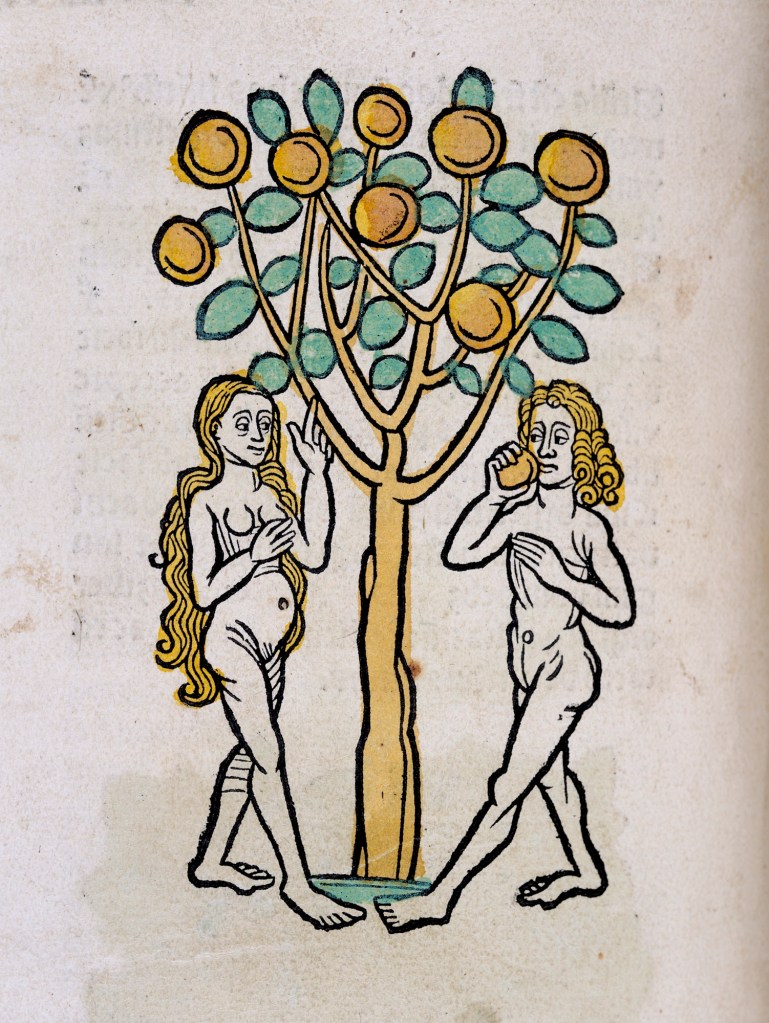
As the plays became more popular, so did the tradition of decorating these trees. Eventually, the concept of the paradise tree merged with other Germanic winter celebrations. The apples were supplemented with other decorations, such as nuts, ribbons, and candles, which added a sense of festivity to the winter months.
What is striking about this origin story is how it intertwines the seasonal with the sacred. The tree, in its earliest forms, was a symbol of life and divine promise, standing in stark contrast to the barren, cold world outside. It was a symbol of hope and a reminder of light in the darkest time of the year. As people decorated their homes with these trees, they weren’t just marking the arrival of Christ; they were celebrating life, resilience, and the continuity of traditions that would eventually span centuries.
In a way, these humble beginnings offer a meditation on how something as simple as a tree can evolve into a global symbol of joy and togetherness. Reflecting on this history, one can appreciate the tree not only as a Christmas decoration but also as a quiet witness to centuries of hope, celebration, and creativity. It carries with it the echoes of old stories, transformed over time yet still celebrating light and life.





 Curious Christian
Leave a comment