In a situation primed for violence, Jesus opened up new vistas of imagination. Surrounded by political oppression, nationalistic fervor, and religious zealotry, each a tinderbox ready to ignite, Jesus refused the expected path of retaliation or revolution. He did not simply choose nonviolence as a tactic; he revealed a deeper reality, a truer vision of power and peace. When others saw enemies to be destroyed, he saw neighbors to be loved. When others anticipated a sword-wielding Messiah, he rode in on a donkey. In the Garden, when even his disciples drew blades, Jesus healed rather than harmed.
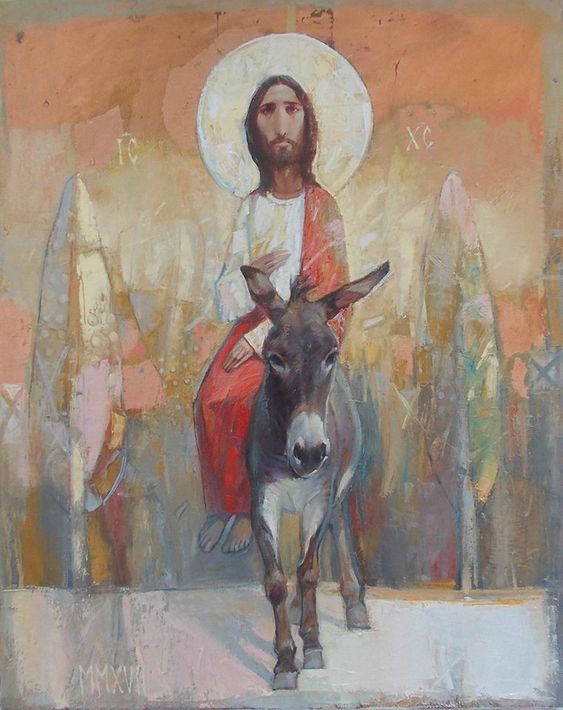
His actions and teachings disrupted the zero-sum logic of domination. Instead of meeting violence with counterviolence, Jesus invited his followers into a new kind of imagination—one shaped by the reign of God rather than the empires of men. He taught that peacemakers are blessed, that the meek inherit the earth, and that forgiveness is stronger than vengeance. This wasn’t passive resignation but a radical re-envisioning of possibility in the face of hostility. He reframed the imagination of the oppressed, not with fantasies of revenge, but with the dream of reconciliation. In the very places where the world’s imagination ran out—on a cross, under empire, abandoned and mocked—Jesus expanded the horizon. He created space for an entirely different way of being human.




 Curious Christian
Leave a comment