God has always had a voice. But more often than not, it is not the voice we expect. It doesn’t come booming from thrones or echoing through empires. It comes, instead, from the edges—from the margins of society, from the wounded, the silenced, the poor. This is not an accident of history. It is a revelation of who God is.

From the cries of the Hebrew slaves in Egypt to the lament of exiles in Babylon, from the wilderness prophets to a crucified Messiah, God consistently aligns with the vulnerable and the overlooked. If we are not attuned to the voices of the marginalised, we risk missing the voice of God altogether.
In Australia, that means listening to Indigenous voices. Not as a gesture of charity or political correctness, but as a theological necessity. The Spirit of God may be speaking through those who have survived invasion, dispossession, and cultural suppression. Their stories, their resilience, their sorrow and wisdom are not peripheral to the gospel. They are echoes of it.
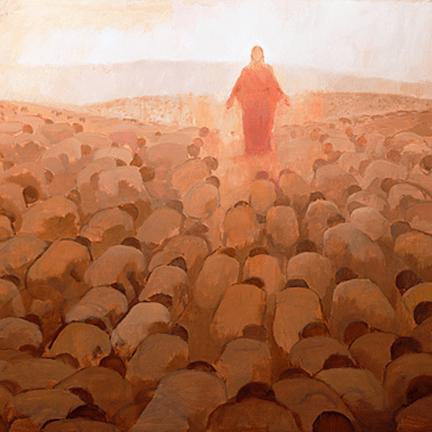
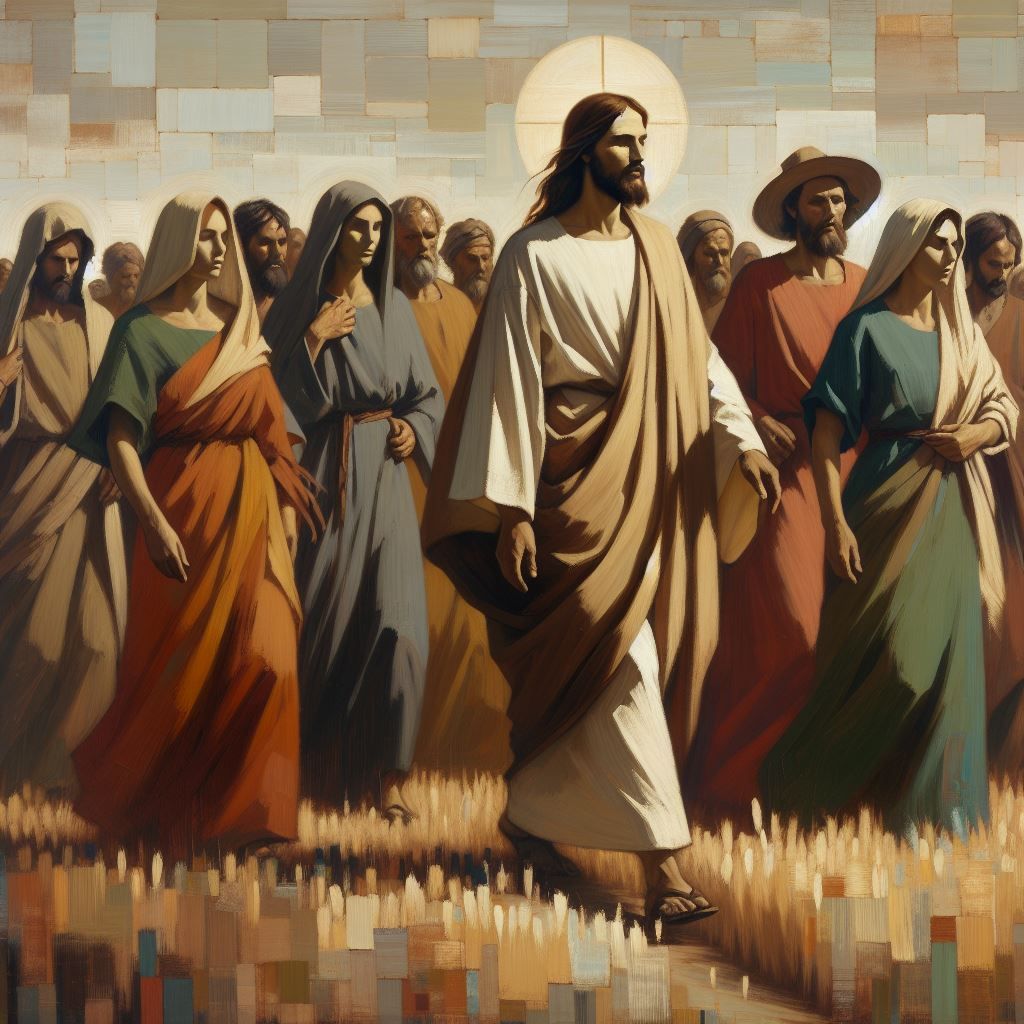
To listen for God at the margins is to re-learn how to hear: not with the ears of dominance or defensiveness, but with humility and reverence. It is to trust that truth does not always trickle down from pulpits or policy rooms; sometimes it rises up from the places we least expect, where Jesus himself chose to dwell.
Only a church that listens to the margins can truly proclaim good news to the poor. Because that is where the good news was born. In a backwater town, in a borrowed manger, spoken first by shepherds and sung by a girl no one had noticed.




 Curious Christian
Leave a comment