When I sit with scripture and pay attention to the words it uses for God’s people, I’m struck by how much those words reveal. Ecclesiology—the way we think about the church—isn’t just built on abstract ideas. It’s shaped by lived language. Words like church, disciples, brothers and sisters, saints, believers aren’t just labels. They tell me something about how the earliest Christians understood themselves, and they invite me to think about who I am as part of the church today.
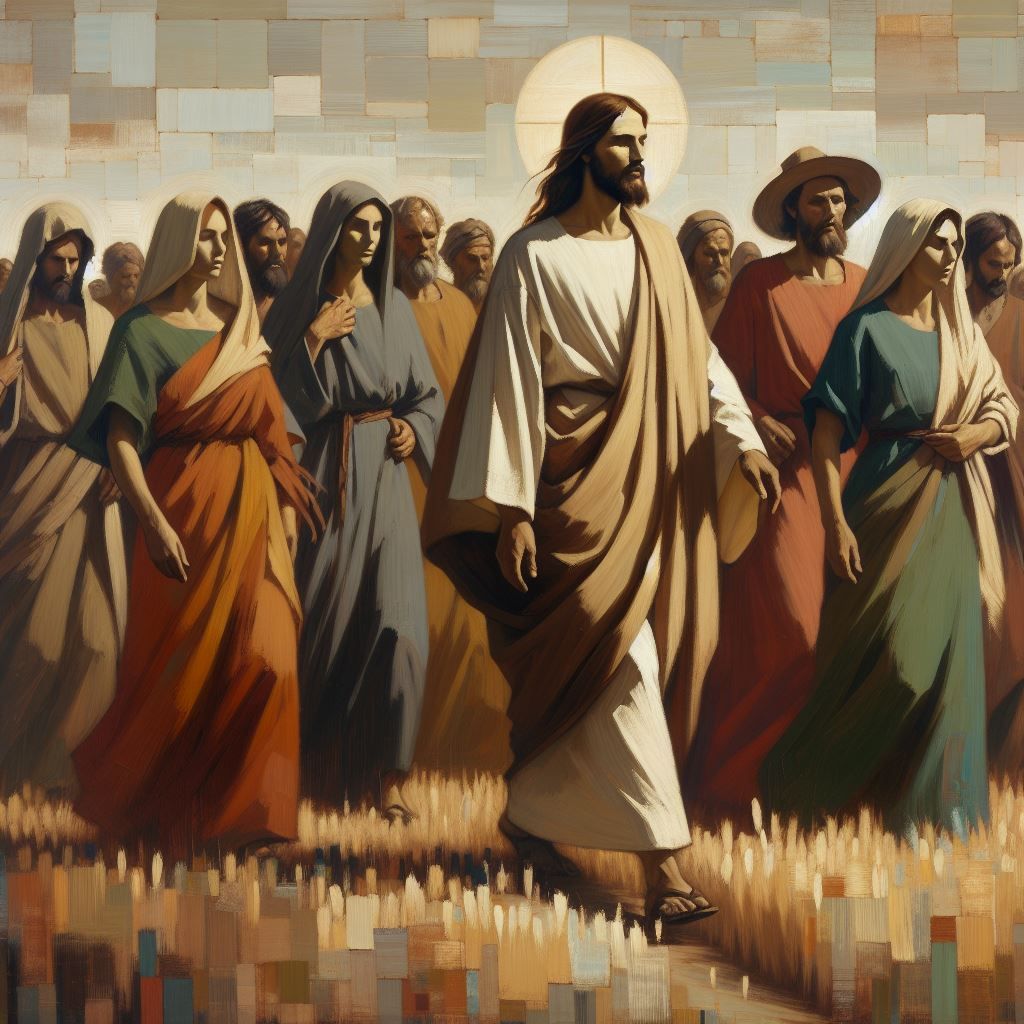
When I read the Gospels, I encounter the language of disciples. That word reminds me that following Jesus is not about joining an institution but about a way of life. It’s about learning, obeying, and sometimes sacrificing. I picture myself among those first disciples, gathered around Jesus, being formed by his teaching and presence. That’s where the church begins: with discipleship.
As I move into Acts and the letters, and the word church rises to the surface. Ekklesia means assembly, people gathered together. Here the focus shifts to unity, organization, and mission. The church is described as a body, a temple, a bride. It’s not just individuals. It’s a community with Christ as the head. Reading these passages, I’m reminded that being part of the church means belonging to something bigger than myself.
I also notice how often the writers call their readers brothers and sisters. That family language speaks to me of the ties that bind even across vast distances. It tells me that even when believers were disbursed or divided, they were still bound together in Christ. I need that reminder too, that the church is a household of faith, and I am part of that family.
And then there’s the language of saints, or “holy people.” This word emphasizes identity and perseverance, especially in times of suffering. It tells me the church is not only gathered, but set apart, called to distinctiveness in anticipation of God’s kingdom. When I read Revelation, I see this holiness language again. The seven churches are named, and the saints are those who endure faithfully under pressure, who overcome by the blood of the Lamb. That challenges me to think of the church not only as community but as witness, persevering in hope.
Every now and then scripture uses the word believers. It’s rare, but it highlights the entry point of faith, the moment someone crosses the threshold of trust in Christ. It reminds me that the church grows as people come to believe, and that each new believer is a sign of God’s ongoing work.
Taken together, these words show me a church that is formed by discipleship, structured as an assembly, bound as a family, marked by holiness, expanded by faith, and sustained by witness. The proportions matter too: disciples dominate the Gospels, church dominates Acts and the letters, family and holiness language sustain scattered communities, believers mark conversion moments, and Revelation adds its own emphasis on perseverance. The early church’s identity was multifaceted, shaped by whether they were gathered or scattered, flourishing or persecuted.
For me today, this language is a reminder that the church is not only something I attend but something I am. I am a disciple learning from Jesus. I am part of the church gathered for worship and mission. I am a brother in a family of faith. I am a saint, called to holiness. I am a believer, trusting in Christ. And I am a witness, like those churches in Revelation, called to endure and shine. When I let my speech about the church echo the language of scripture, my imagination of what it means to belong is renewed. My identity and practice are shaped not by habit or culture but by the living testimony of scripture itself.



 Curious Christian
Leave a comment