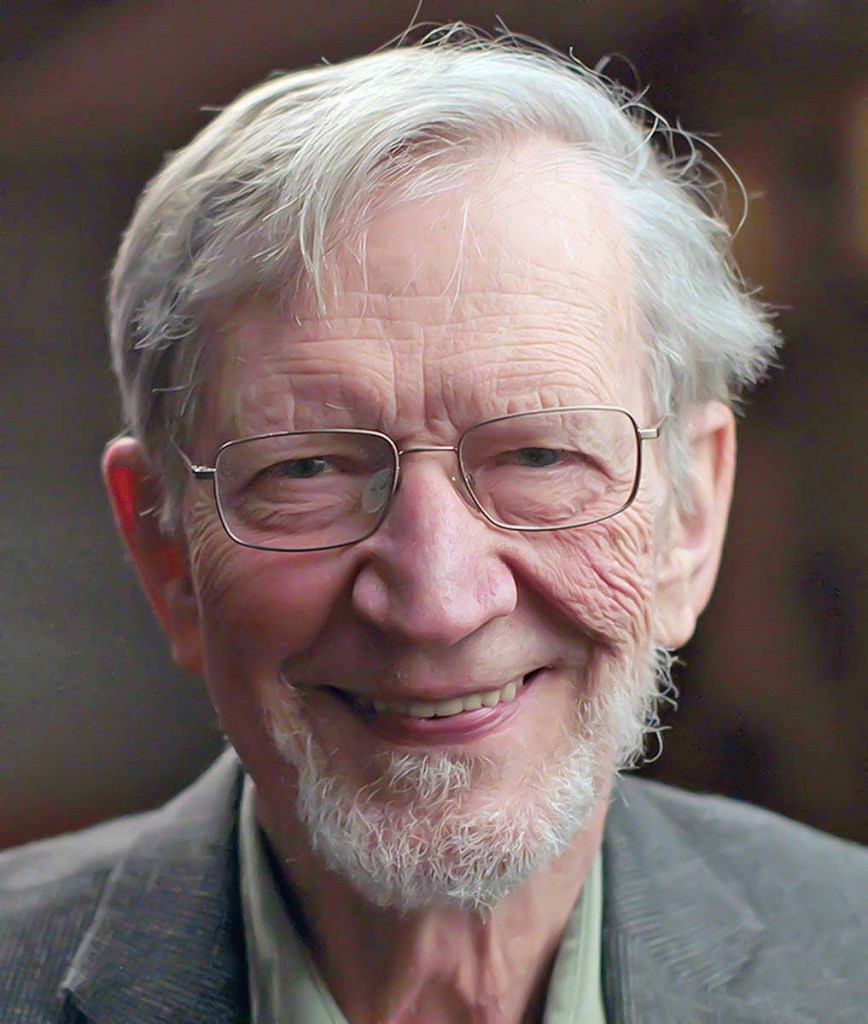
I have deep respect for Alvin Plantinga and his work in Reformed epistemology. His insistence that belief in God can be properly basic, rational even without inferential proof, pushes back against the rigid empiricism and rationalism that too often dominate Western thought. In this, he reminds us that our minds, when properly oriented, are capable of encountering truth, and that faith is not a mere leap in the dark.
Yet, from where I stand, his framework leaves important gaps. Plantinga’s approach is abstract and universalistic, largely divorced from the messy, lived realities in which most of us experience God. Knowledge of God is rarely just a matter of properly functioning faculties. It emerges in context, through culture, community, prayer, ethical struggle, and encounters with the unseen. Faith is lived and relational, not just cognitively warranted.
I also find that his model emphasizes correctness over transformation. Knowing God is not only about having true beliefs. It is about being shaped by them, becoming more Christlike, discerning rightly, and enduring faithfully under pressure. The gospel calls us into this kind of knowledge, where the mind, heart, and soul are all involved, and where ethical and mystical realities are inseparable from understanding.
Plantinga offers rigor and philosophical clarity, and for that he deserves admiration. But a full account of Christian knowing must go beyond analytic elegance. It must attend to the relational, the transformational, and the contextual—the ways God is encountered in history, in culture, and in the spiritual life. Faith is rational, yes, but it is also lived, experienced, and revealed in ways that cannot always be captured by formal warrant.





 Curious Christian
Leave a comment