
Everyone thinks they know who Lucifer is. In popular culture, Lucifer is the devil before his fall from heaven. He was the highest of angels, corrupted by pride and cast out in rebellion against God. He appears in novels, films, television series, heavy metal lyrics, and esoteric traditions. The story is so familiar that few people ever stop to ask where it comes from. We assume it must be somewhere in the Bible. After all, a figure this famous should be easy to find.
The surprise is that the Bible never explicitly names Satan as Lucifer. You can search from Genesis to Revelation and never find a verse that says, “Lucifer was Satan’s original name.” Instead, Scripture speaks of the adversary (satanas), the slanderer (diabolos), the serpent, the dragon, and the accuser. These are titles and descriptions rather than personal names. The figure is clearly present, but his identity remains strangely elusive. The more carefully we read, the more we discover that the Lucifer most people imagine is more a product of tradition than of the biblical text itself.
So where did the name come from? The answer begins in Isaiah 14, where the prophet delivers a taunt against the king of Babylon. This ruler had exalted himself, imagining that his power and glory could never fade. Isaiah responds with biting poetry, comparing his downfall to a shining heavenly light cast down from its lofty position. The Hebrew phrase is helel ben shachar, meaning “shining one, son of the dawn.” The image is not primarily about a devil. It is about the collapse of human pride and the downfall of a ruler who tried to make himself greater than he truly was.
Several centuries later, Jerome translated the Bible into Latin and rendered this image with the word lucifer, meaning “light-bearer” or “morning star.” To ancient readers, the term was not a proper name. It was a poetic description. Over time, however, Christians connected Isaiah’s imagery with passages describing Satan’s downfall. Gradually a metaphor became a title, a title became a name, and a name accumulated an increasingly detailed backstory. By the medieval era, Lucifer had become firmly established in the Christian imagination as Satan before the fall, even though the biblical text never explicitly makes that identification.
What makes this history so fascinating is that the Morning Star was never a symbol with only one meaning. Across the ancient world it represented glory, beauty, brilliance, kingship, and transcendence. It was the brightest light visible before dawn, naturally lending itself to images of greatness and aspiration. Isaiah turned that symbol on its head, using it to expose the illusion of power. The king of Babylon appeared magnificent, but his greatness proved fragile. What looked like a star ascending toward heaven was in reality a ruler destined for the dust. The problem was not the symbol itself. The problem was the pride hidden beneath it.
This raises a deeper question. If Satan is such a significant figure in the biblical story, why doesn’t Scripture simply tell us his name? The answer may lie in a broader pattern. The Bible appears surprisingly reluctant to name spiritual beings. In scripture, only Michael and Gabriel are explicitly named among the angels. Most heavenly beings remain anonymous. Even Satan is known by titles rather than by a personal name. For modern readers, raised on detailed biographies and cinematic origin stories, this can feel frustrating. Yet perhaps the biblical authors were making a point. They seem far more interested in what spiritual powers do than in satisfying our curiosity about their identities.
That reluctance is especially striking when we consider how fascinated human beings have always been with powerful rebels. There is something captivating about the figure who refuses to submit, challenges authority, and seeks greatness on his own terms. This helps explain why Lucifer has become such a compelling character in literature, philosophy, and modern spirituality. Some traditions fear him. Others admire him. Still others reinterpret him as a symbol of freedom, enlightenment, or self-determination. Yet beneath all these interpretations lies the same temptation: the belief that true greatness comes through self-exaltation.
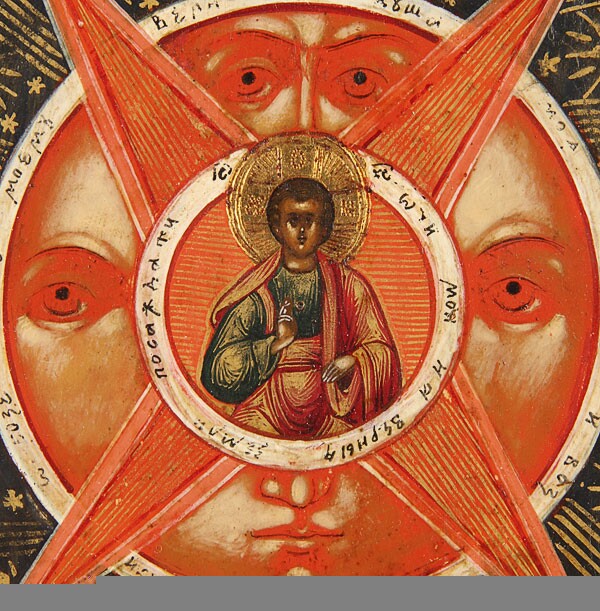
The story takes an unexpected turn at the very end of the Bible. In Revelation 22:16, Jesus declares, “I am the Root and the Offspring of David, and the bright Morning Star.” For many readers, this is startling. The symbol so often associated with Lucifer appears again, but now it is applied to Christ. The Bible is not confusing the two figures. Rather, it is reclaiming the image. The Morning Star was never the exclusive possession of a fallen being. It was a symbol, and here the symbol reaches its final destination in the one to whom the entire bible points.
The contrast could hardly be sharper. In Isaiah, the shining star seeks to ascend and falls. In the Gospels, Christ takes the downward path of humility and is exalted. One story is driven by grasping, ambition, and self-glorification. The other is marked by self-giving love. One seeks greatness through elevation above others. The other reveals greatness through service. One reaches for a throne. The other embraces a cross. The shared symbol highlights two radically different visions of what it means to rule.
At this point, the most interesting question may not be “Who is Lucifer?” but “Why does the Bible seem so much more interested in Jesus than in Lucifer?” Modern culture is fascinated by the rebel. We want his biography, his motives, his rise and his fall. Scripture repeatedly frustrates that curiosity. It gives us enough information to recognize evil, but not enough to admire it, romanticize it, or become preoccupied with it. Again and again, the biblical spotlight shifts away from the rebel and toward the king who confronts evil not through domination, but through faithfulness.
This is perhaps where the story becomes most relevant for modern spiritual seekers. Many of us are drawn to hidden knowledge, secret histories, and powerful mysteries. Yet the Bible takes a remarkably different approach. Rather than inviting us to become fascinated with powerful spiritual beings, it directs our attention to a crucified Messiah. Rather than presenting truth as a secret available only to the initiated, it presents truth in the life, death, and resurrection of Jesus. The light humanity seeks is not hidden behind a veil. It stands in the open.
So who is Lucifer? Historically, the name emerged from a poetic image in Isaiah, passed through a Latin translation, and grew into one of the most famous figures in Christian tradition. But the deeper surprise is not that Christians eventually attached the name Lucifer to Satan. The deeper surprise is that the Bible shows so little interest in the story we became obsessed with. Scripture never clearly gives Satan a personal name. It never lingers over his former glory. It never invites us to marvel at his power. Instead, it keeps drawing our attention back to Jesus. While we search for the identity of the rebel, the Bible introduces us to the king. And unlike the rulers of Babylon or the legends that grew around Lucifer, this king does not ascend through force, pride, or self-exaltation. He reigns through humility, faithfulness, and self-giving love. That may be the most important clue in the entire story.




Leave a Reply