
There is something fascinating about the fragility of performative masculinity. The recent mocking of Andrew Tate’s outfit after his arrest exposed an interesting contradiction. A man who has built a global persona around dominance, toughness, wealth, and being the ultimate expression of masculinity suddenly became the target of ridicule because his appearance challenged the very image he had cultivated. The irony was almost too obvious. The same culture that celebrates men who aggressively perform strength can turn instantly on anyone who appears to violate its unwritten rules. But perhaps the deeper question is not about the outfit. It is about why masculinity has to be performed so loudly in the first place.
I sense a lot of self-loathing underneath some expressions of bro culture. The constant obsession with being an “alpha,” never showing weakness, always winning, always being in control, suggests a deep fear of the opposite: being ordinary, being vulnerable, being powerless, being rejected. The shadow looms large. What we cannot accept in ourselves often becomes something we must aggressively attack in others. This is why the policing of masculinity can become so intense. Anything associated with weakness, dependence, tenderness, or vulnerability becomes a threat. The person who is truly secure does not need to spend so much energy proving what they are. As Jesus warned, “Beware of practising your righteousness before others in order to be seen by them” (Matthew 6:1). There is a difference between having strength and needing an audience to confirm your strength.
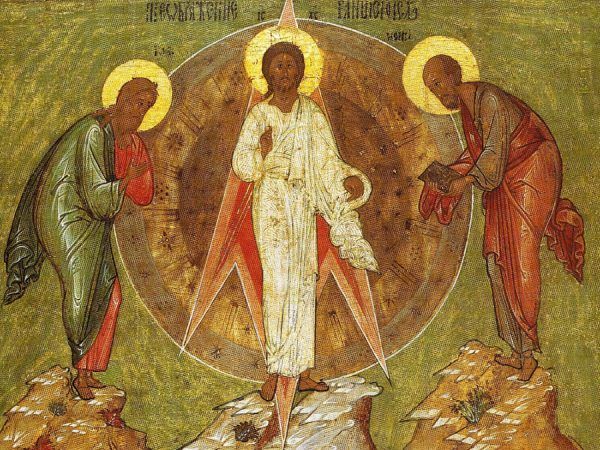
The strange thing about performative masculinity is that it often produces the very insecurity it claims to overcome. When identity is built around dominance, there must always be someone beneath you. When identity is built around being untouchable, every moment of vulnerability becomes a crisis. We see similar patterns in many forms of extremist identity: different beliefs, different enemies, but often the same underlying human struggle for certainty, purity, honour, and control. Jesus presents a radically different vision of strength. He does not need to prove his power. He kneels and washes feet. He welcomes the outsider. He absorbs humiliation without losing himself. “Whoever wants to become great among you must be your servant” (Mark 10:43).
Perhaps the question is not simply why some men perform masculinity so aggressively. Perhaps the deeper question is why any of us feel the need to construct identities that must constantly be defended. What are we afraid others might see if the performance stopped? The gospel does not call us to become invulnerable. It calls us to become whole. True strength is not found in pretending we have no weakness. It is found in knowing we are loved even in our weakness. The shadow does not disappear through denial. It is brought into the light and transformed by grace.



Leave a Reply