-
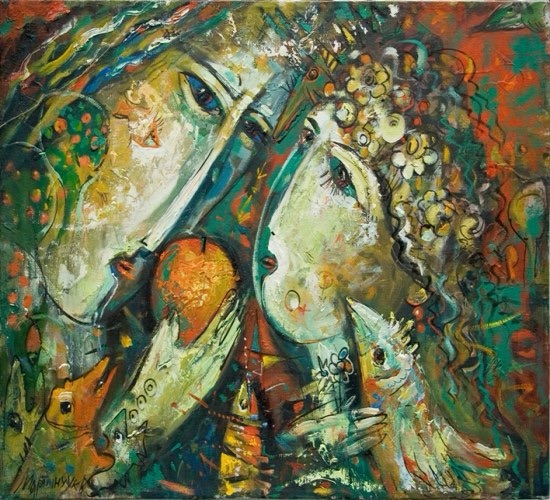 Continue reading →: Beyond the Curse: Rethinking Power and Partnership After the Fall
In the story of the Fall, there is a tragic turning: human relationships fracture, and domination enters a world once marked by mutuality. The words spoken to Eve, “your desire will be for your husband, and he will rule over you,” are often read as divine prescription. But what if…
-
 Continue reading →: What Kind of Theology Am I Doing Here?
As I reflect on the body of writing I’ve built over the last twenty years here at Curious Christian, I find myself wondering how others might characterize the kind of theology I’m doing. If we were to frame it in terms of the traditional theological disciplines—biblical, historical, systematic, and practical—how would…
-
 Continue reading →: Why Missing Voices Matter: A Lesson in Survivorship Bias
Survivorship bias is when we only pay attention to the people or things that made it through a situation—and forget about the ones that didn’t. That can seriously mess with our conclusions, because we’re not seeing the whole picture. The WWII Plane Example There’s a famous story from World War II…
-
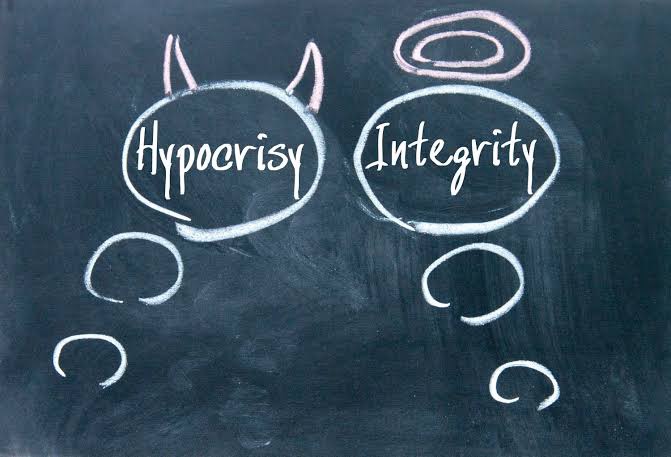 Continue reading →: How I Continue To Follow Jesus In Spite of the Church
I follow Jesus in spite of the church, not because of it. That may sound harsh, maybe even a little rebellious, but it’s the truth of my journey. As a kid, I encountered monsters without always knowing it—Christian leaders who were pedophiles. I wasn’t preyed upon myself (and I’m deeply…
-
 Continue reading →: One Wild And Precious Life
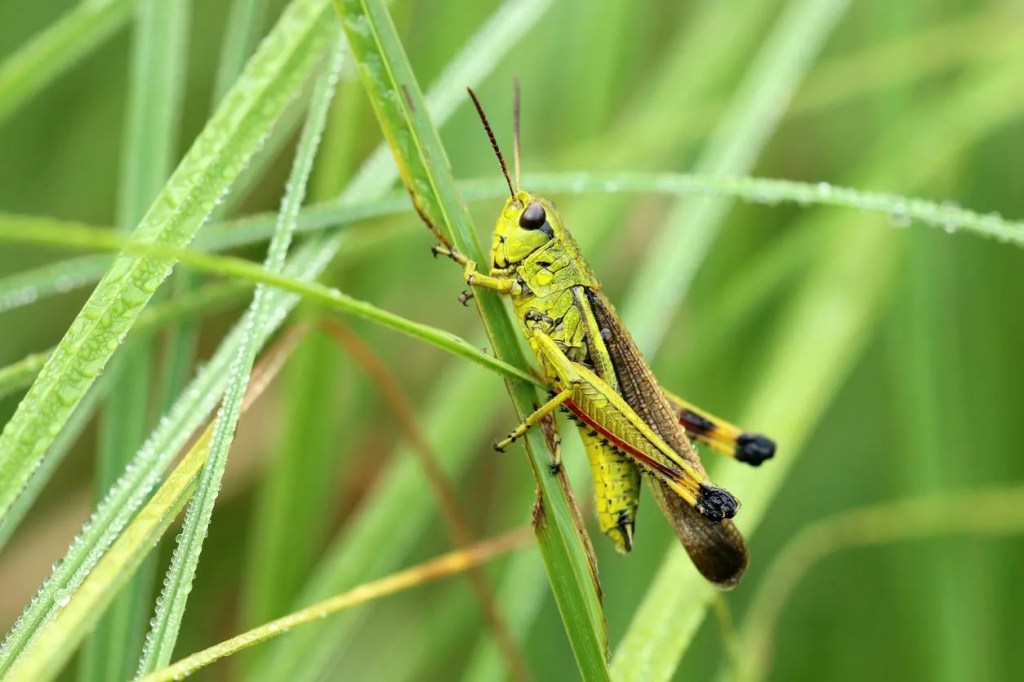
The Summer Day by Mary Oliver Who made the world?Who made the swan, and the black bear?Who made the grasshopper?This grasshopper, I mean —the one who has flung herself out of the grass,the one who is eating sugar out of my hand,who is moving her jaws back and forth instead…
-
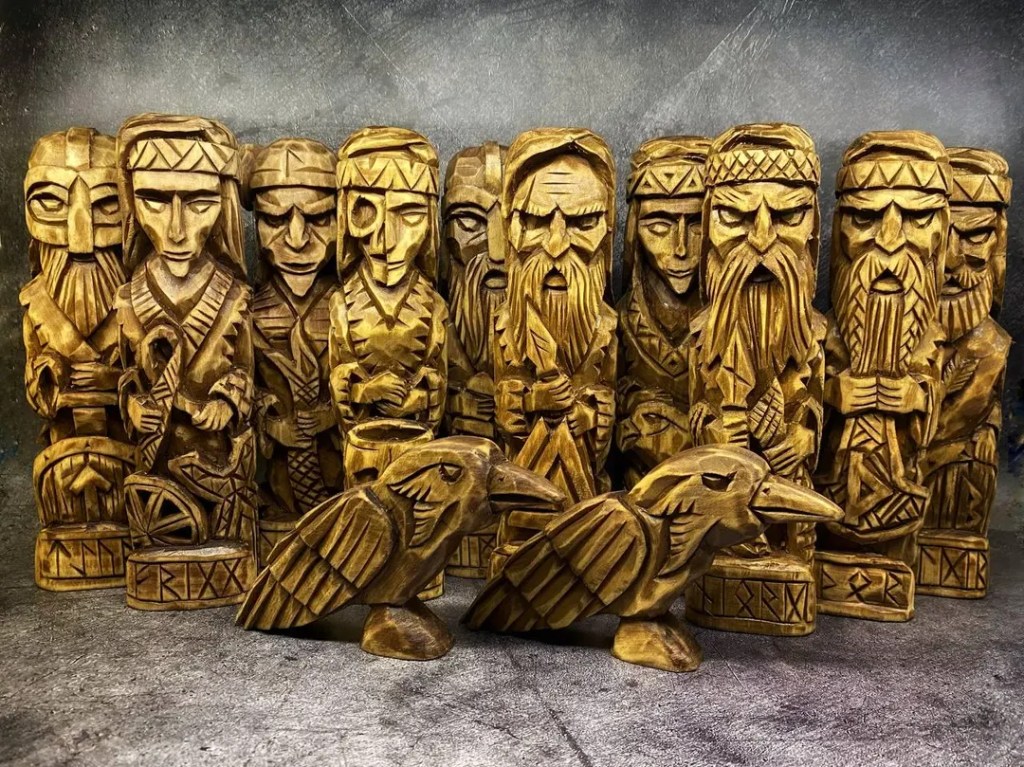 Continue reading →: Faithful but Not Fearful: A Gentler Way of Following God Amongst Other Gods
The story of Israel in exile is one of resilience—of a people clinging to their God in a foreign land, resisting assimilation by doubling down on their covenant with YHWH. Faced with the loss of land, temple, and autonomy, they found strength in rejecting the gods of their captors and…
-
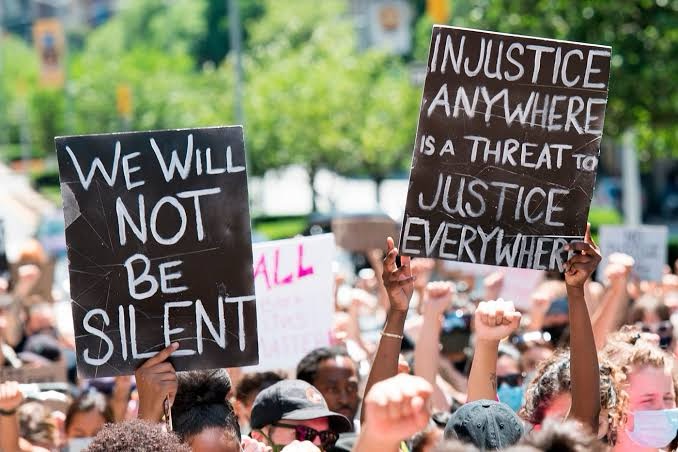 Continue reading →: How Can We Bear Witness Against Injustice If Ethics Is Always Relative?
I’ve been thinking a lot about claims that ethics is nothing more than a social construct—something we make up together, shaped by culture, time, and place. On some level, that makes sense. Different societies do have different values. What one group sees as honorable, another might see as offensive. If…
-
 Continue reading →: Growing Anyway: Maturing In Christ Even When Church Falters
Discipleship is, at its core, a lifelong journey of becoming more like Jesus—learning his ways, embodying his teachings, and participating in his ministry of reconciliation. It’s not something we can outsource to our church leaders, nor is it something that happens passively by osmosis. While the gathered church is an…
-
 Continue reading →: Last In Line
Jesus said, “The last will be first.”Hearing this a disciple ran to the back of the line.He waited there forever.
-
 Continue reading →: Christian Art: I Am The Resurrection
Sister Mary Grace Thul (1935-2024) I AM the Resurrection, 2021
Curious Christian
Exploring life, art, spirituality, and the way of Jesus
Let’s connect

Recent posts


Art Atheist Australian Bible Blogging Books Buddhist Celtic Christian Christmas Church Contextualisation Ethics Faith Gatherings God Hindu Humour Jesus Justice Leaders Love Magic Meditation Mission Money Movies Music Muslim Mystery Nature Pagan Peace Poetry Politics Prayer Psychology Revelation Seasons Sexuality Sin Symbols Technology Violence War
 Curious Christian