 One of the reasons I value interfaith dialogue is that it helps me to see my own faith in new ways.
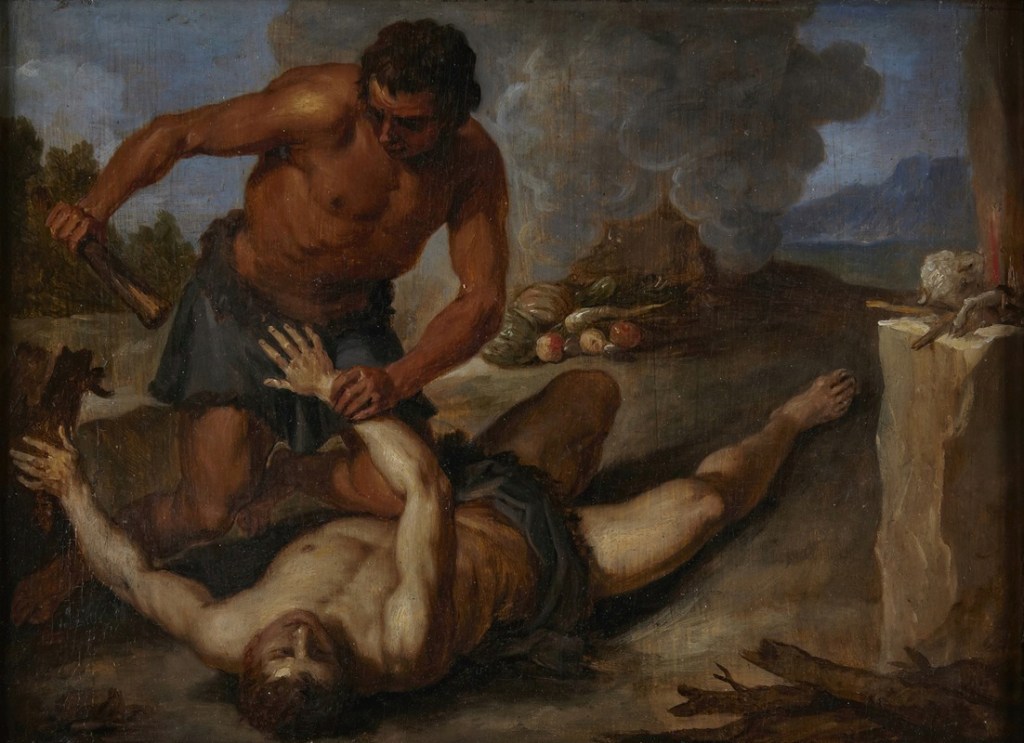
For example, in conversing with the esoteric community over the years one of the things that has been highlighted for me is how distinctive Christianity is in terms of its emphasis on story. Esotericists place much emphasis on symbolic correspondences. Christians, in contrast, place much more emphasis on story correspondences.
So, where esotericists draw extensively from various symbol systems, such as the major arcana of the tarot, the sephirot of the kabbalah, the elements of alchemy, etc, etc, Christians draw much more extensively from story collections, not only in terms of the New and Old Testament collections, but also in terms of hagiography and testimony. This is not to say esotericists are indifferent to story or Christians are indifferent to symbol; what I’m saying is, the emphasis differs. It really differs.
Nowhere is this more important in how we understand deity. In my experience esotericists relate to their deities primarily through their symbol systems and only secondarily through their stories, their mythologies. Indeed, for some esotericists their deities are symbols. This can be vary difficult for Christians to understand, particularly Christians from more iconoclastic traditions.
Why do I mention this? Because of its implications for alternative worship, for contextualised ritual. Because, if we’re committed to being in the world but not of the world, if we’re committed to engaging our culture without loosing our Christian distinctiveness, then we have to learn to use symbol more effectively without story become subordinate. But I’m afraid, from what I’ve seen and heard, that, this has not always been the case.
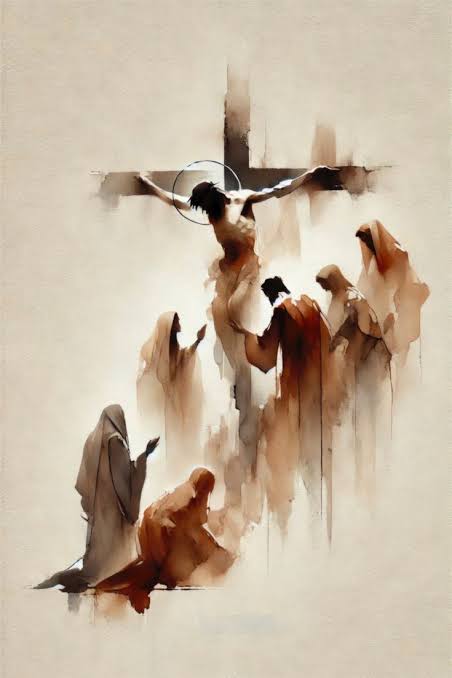
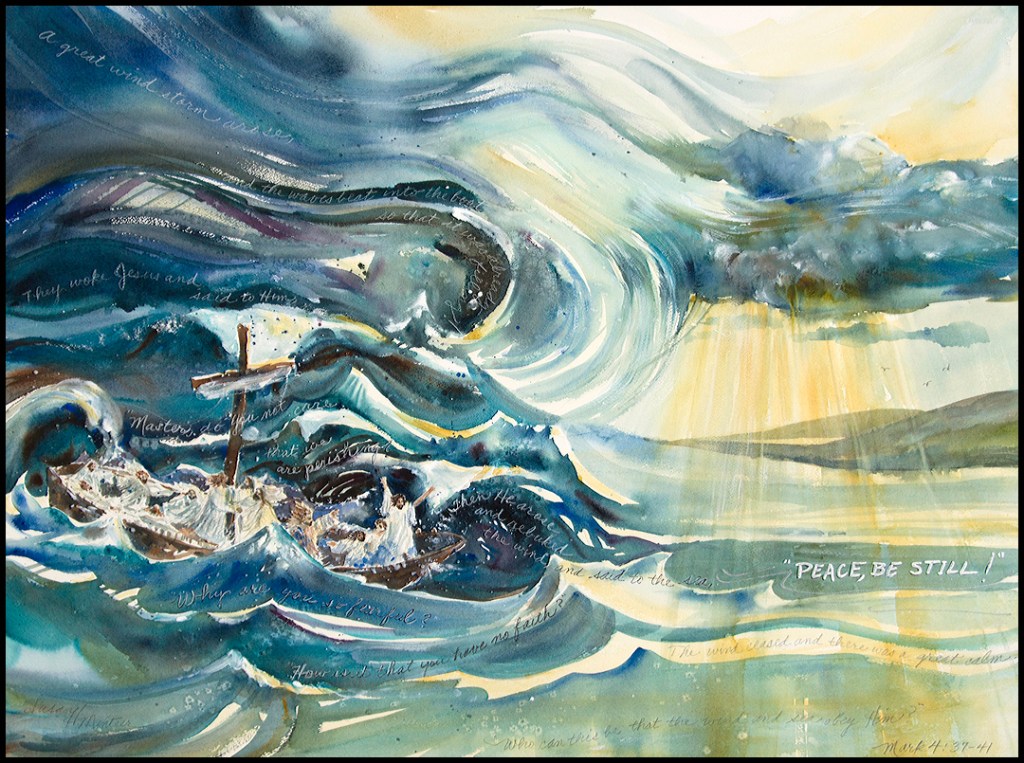
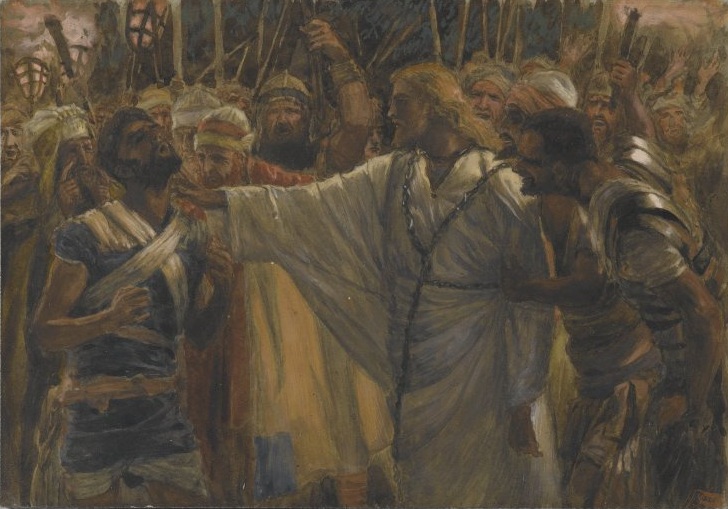
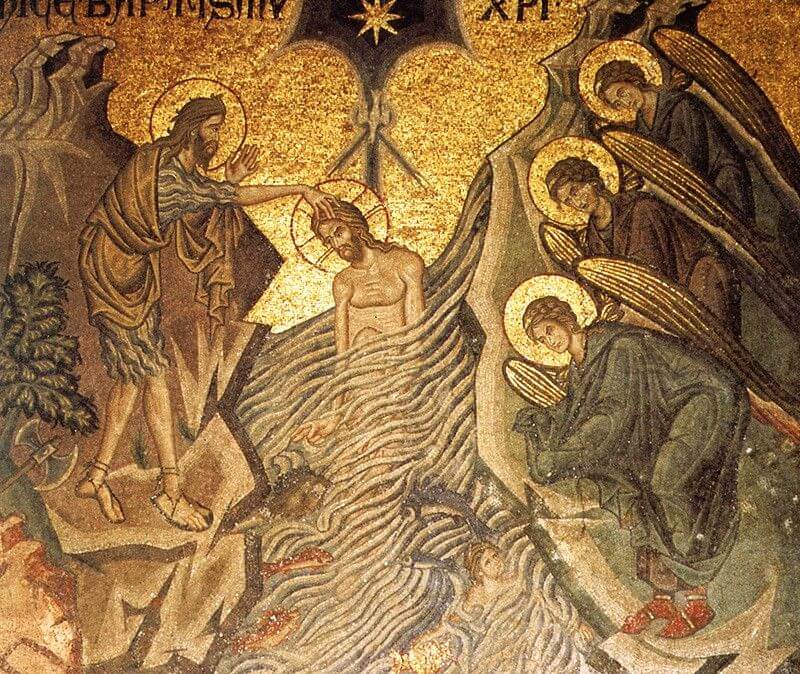
So engagement with the esoteric community has given me a deeper appreciation for story and its significance for Christian spirituality. I have learnt I need to learn more about stories. How does story work? How does story relate to drama, to sacred reenactment, to crisis ritual, to life as we experience it? In the New Testament stories for instance, there can often be multiple characters involved. Disciples like Peter, Thomas, Mary. Opponents like the Pharisees, Herod, Pilate. Ambiguous characters like Judas and Nicodemus. Others like the tax collectors and the crowds. And, overarching them all, God. How do their struggles touch our struggles? How am I sometimes a Judas? A Nicodemus? How can I engage with the story on the level of symbol? Is this story something I find myself in? When I pray, how do these stories inform me? In this visual, interactive, multimedia age of ours, its important that Christians, evangelicals in particular, relearn how to relate story and symbol in ways that are distinctively Christian.



 Curious Christian
Leave a reply to Duncan Cancel reply