Reflecting on unity and diversity in Christian ethics is a lot like contemplating a big, complex family reunion. We’re all here, somehow related, gathering around a central message that’s woven through Scripture. We hold the same book in our hands and proclaim it as authoritative, but each of us reads it through our own set of filters, and that changes the way we hear God’s voice in it. These filters are influenced by culture, history, personal experiences, political leanings, and, let’s be honest, the assumptions we often don’t even know we’re carrying. The diversity that emerges from these differences is real and, sometimes, divisive.
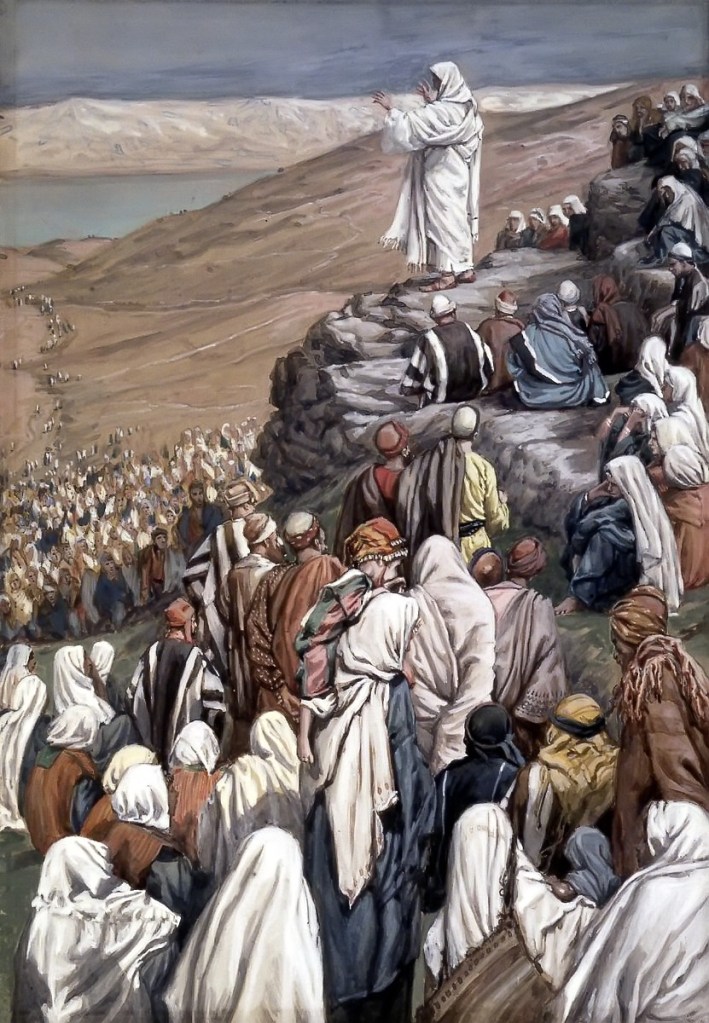
One of the biggest areas of division in Christian ethics today is how we interpret God’s commands regarding justice and righteousness. When we come to passages about loving our neighbor, caring for the oppressed, or submitting to authority, we might agree on the words but differ wildly on what they mean for us practically. It’s fascinating, really, that two people can read the same text and arrive at opposite conclusions about what God requires of them. Take the concept of hierarchy, for example. Some Christians see it as part of God’s good design, believing that respecting authority is foundational to a healthy society. Others, however, see hierarchy as something Jesus came to disrupt—domination systems that too easily perpetuate injustice and therefore must be approached with caution, even resistance.
But can we have unity amid these diverse perspectives? Should we strive to always find a middle ground, or are there times when compromise isn’t the answer, especially when issues of injustice are on the line? Here’s where the unity-diversity question becomes tricky. Many people feel that compromise is the path to unity, but what if unity achieved through compromise comes at the expense of standing up for the oppressed, the marginalized, or the vulnerable? When our ethics are rooted in a faith that takes sin and righteousness seriously, the pursuit of unity can’t mean smoothing over injustices or minimizing harm just to get along.
In a world where political affiliations have come to shape so much of our identity, it’s easy for ethical differences to become tangled with partisan loyalties. And these differences aren’t just theoretical. They’re deeply personal and rooted in what moves us and shapes our sense of authority. For example, some Christians are inspired by biblical characters who act as reformers or prophets, figures like Amos or Esther, who courageously confronted injustice and spoke out against the powers of their day. Others might take inspiration from people like Paul, who encouraged Christians to honor governing authorities and live peaceably whenever possible. Who we see as a biblical hero says a lot about how we understand God’s priorities and, by extension, how we think Christians today should engage with the world.
So, is there a way to honor this diversity without compromising on issues of justice? I think the answer lies in a commitment to listen deeply and to recognize when differences are more than just matters of personal preference or political allegiance. We must be willing to wrestle with Scripture together, to challenge each other lovingly, and to allow space for correction. This doesn’t mean we’ll always agree, but it does mean that we’ll be discerning together, aiming for an ethic that seeks God’s truth as faithfully as possible—even when that truth challenges our comfort zones.
In the end, unity in Christian ethics is not about agreeing on every point but about being committed to a common pursuit of God’s heart for the world. It means standing together where we can but refusing to call injustice acceptable just to keep the peace. True unity is not about silencing our differences but about speaking the truth to each other in love, especially when the stakes are highest.





 Curious Christian
Leave a comment