David’s fall in 2 Samuel 11–12 is often told as a story of grace, and it is. When confronted by Nathan, David says simply, “I have sinned against the Lord” (2 Sam 12:13). And God forgives him.
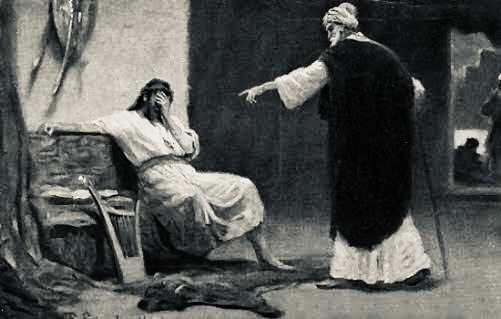
But forgiveness doesn’t cancel consequence. The child born of his sin dies. His household turns violent. Amnon assaults Tamar, Absalom murders Amnon, then rebels against David. The sword never departs from his house, just as Nathan warned (2 Sam 12:10). David remains king, but the cost is huge.
This should give us pause when Christian leaders fall. Yes, God is merciful. Yes, repentance matters. But churches can be too quick to restore someone to power, as if forgiveness automatically means restoration and reinstatement. That’s not how it worked for David. He was forgiven, but he bore the fallout for the rest of his life.
Forgiveness heals the soul; it doesn’t automatically rebuild trust. Some wounds need time. Some roles should not be resumed. David’s story isn’t a model for brushing past failure. It’s a sobering reminder that leadership multiplies impact, for good and for evil.
David’s story warns us: forgiveness is personal, but restoration is communal—and sometimes, it doesn’t happen.



 Curious Christian
Leave a comment