Complementarianism has never sat right with me. Even before I had the language or theological grounding to explain why, I felt uneasy about the idea that leadership in the church, and even in the home, should be divided strictly along gender lines. Over the years, I’ve grown in my understanding of Scripture, and that growth has only deepened my conviction: complementarianism isn’t just flawed, it’s harmful.
I’ve heard it preached often. I’ve seen how it shapes communities, how it limits women, and how it can quietly (or not so quietly) reinforce power imbalances that hurt people. I’ve watched gifted women be sidelined, their callings questioned, their voices diminished, not because they lacked wisdom or spiritual maturity, but simply because their bodies are different.
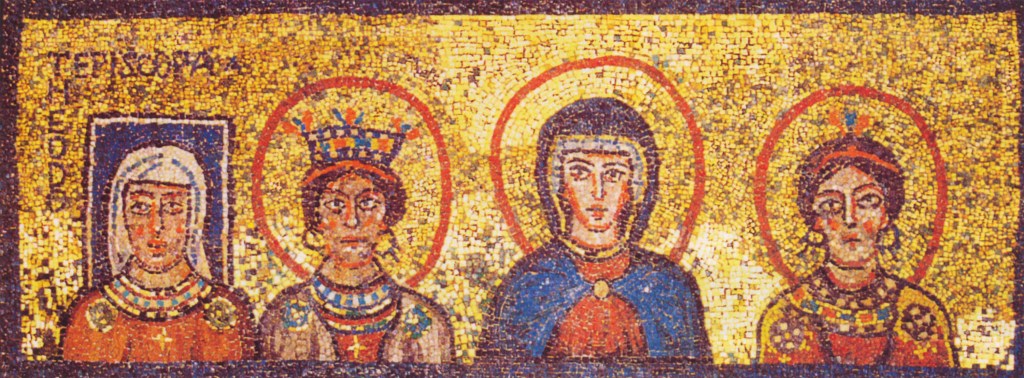
And yet, when I look at Scripture, I see something very different. I see Phoebe, a deacon. Junia, an apostle. Priscilla, a teacher. These women weren’t exceptions, they were part of the fabric of the early church. Their leadership wasn’t a loophole, it was a testimony to the Spirit’s work amongst all believers.
I also see the damage done when we ignore that testimony. Complementarianism may claim to uphold tradition, but it does so selectively, choosing which parts of Scripture and history to elevate, and which to erase. That’s not faithfulness. That’s revisionism.
So no, complementarianism has never been my view. And the more I’ve learned, the more confident I’ve become in rejecting it, not just intellectually, but in practice. Because I believe the church is healthiest when every person, regardless of gender, is free to live out their calling fully and faithfully.




 Curious Christian
Leave a comment