I’ve come across this argument from Bible skeptics and critics more times than I can remember: the story of Adam and Eve actually shows the serpent telling the truth and God lying.
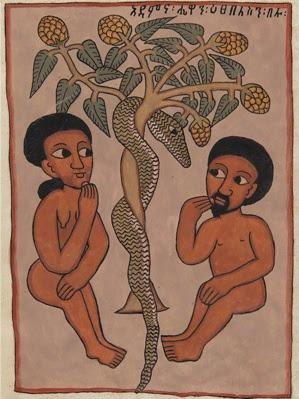
At first, that sounds like a serious problem. God tells Adam that if he eats from the tree of the knowledge of good and evil, he will die. Genesis 2:16–17 says, “You may freely eat of every tree of the garden; but of the tree of the knowledge of good and evil you shall not eat, for in the day that you eat of it you shall die”. But the serpent tells Eve, “You will not die” (Genesis 3:4). They eat the fruit, and they don’t immediately die.

The serpent also tells Eve that their eyes will be opened and that they will be “like God, knowing good and evil” (Genesis 3:5). Then God himself says, “See, the man has become like one of us, knowing good and evil” (Genesis 3:22). And God expels them from the garden so they cannot eat from the tree of life and “live forever.” So was the serpent actually telling the truth?
I think the key is that the serpent is telling a half-truth, which is rather the point of the story. Adam and Eve do not immediately drop dead, and the serpent is right that their eyes will be opened. But being right about some of the consequences doesn’t mean he is telling them the whole truth.
The important distinction is between the fruit causing instantaneous death and the act bringing about death. God doesn’t say, “The moment you swallow this, your heart will stop.” The Hebrew phrase is emphatic, literally something like “dying, you shall die.” The story then portrays the consequences: alienation from God, the curse, mortality, and finally expulsion from the garden so that they cannot eat from the tree of life and live forever.
Genesis 3:22 therefore makes the serpent’s deception clearer, not less clear. Humanity has indeed become “like one of us, knowing good and evil.” But becoming like God in knowledge did not make them like God in immortality. They gained the knowledge they sought while losing access to the tree that could sustain them forever.
There is an irony here. The serpent presents God’s command as though God is selfishly withholding something good: “you will be like God.” They eat, and they do become like God in one limited sense. But instead of liberation, they discover shame, alienation and death.
The serpent didn’t need to tell an outright lie. A carefully selected truth was enough to deceive them. That is why I don’t think Genesis is presenting God as lying and the serpent as telling the truth. It is presenting the serpent as telling enough truth to make a lie believable—which, frankly, is a much more interesting account of deception than simply having the villain say something obviously false.



Leave a Reply