This week, I read an intriguing article in New Scientist discussing new research that shifts our understanding of speciation and adaptation. The study suggests that “adaptation follows as a consequence of speciation, rather than contributing as a cause.” In other words, species diversification might be more frequently triggered by sudden, rare events—like climate changes or geographic isolation—than by the gradual accumulation of adaptive traits. According to this view, species are often “pushed” toward diversification by external barriers rather than “pulled” by the slow draw of new ecological niches.
This gets me thinking—not just for debates the origin of species, but also for understanding cultural and ideological evolution in the digital age. Take, for example, the way ideas spread and mutate within online Christian communities. While the internet is often seen as a unifying force, it may also drive division by connecting different groups at different rates, creating pockets of “reproductive isolation” for ideas. Just as species can diverge in isolation, so can beliefs and ideologies.
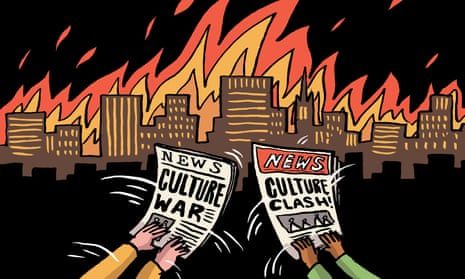
Generational divides are sometimes seen as more significant than geographical ones today, with age gaps increasingly replacing spatial gaps as the defining lines in cultural divergence. If this trend holds, other factors—such as education level, personality type, time zones, work schedules, internet bandwidth, and web censorship—could also play a role in separating communities online. Where these factors align, we see evidence of “web Balkanization”: isolated groups with limited ideological cross-pollination.
The pace of technological change and varying rates of adoption suggest that as the world speeds up, slow and fast communities will continue to diverge, developing distinct cultural landscapes. The question becomes: how might these divisions impact your own community?





 Curious Christian
Leave a reply to Kalessin Cancel reply