 This evening Andrew Park drew my attention to an article on the Bali Nine and the spiritual journey a number of them have been on since their arrest.
For those unfamiliar with the Bali Nine, they’re a bunch of young Aussies who were busted for smuggling heroin from Bali to Australia and sentanced to life imprisonment (and for some of them, death) under Indonesian law.
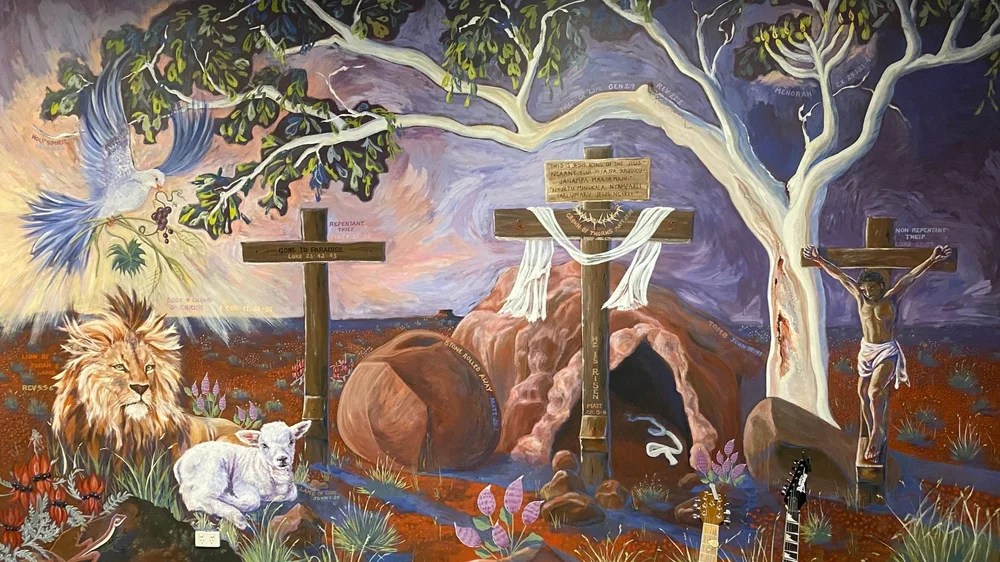
I found the article intriguing, for it seems a number of the have become Christians while on death row, but the journey has not been easy. Scott Rush, who was only 19 when arrested, finds God’s forgiveness does not always sit easy with him:
Rush has confessed, before God and the courts. He has acknowledged the dreadful consequences of bringing kilograms of heroin to the streets of Australia. But he finds it hard to absolve himself.
”It’s been a problem for me,” he says after the service has finished. ”I’m still looking for forgiveness. I just feel so bad about everything, especially for what I’ve done to my parents and family.”
Many years ago I was discipling a drug addict who expressed similar sentiments. That for all God had done for him, he still found forgiveness elusive and difficult to grasp. I wonder if you’ve ever experienced that, this elusiveness of self forgiveness?
On the flip side I wonder, has their past got you wondering if their claimed repentance is genuine? I ask this question, not to minimize the magnitude of their crimes, or suggest they don’t do their time, but just to acknowledge trust is hard. And yet that’s part of the reconciliation process too. I’ve seen unmerited trust work miracles on former prisoners.
Which brings out an important issue, to what degree are we willing to welcome former prisoners into our Christian communities? Prison ministry is easy to talk about in the abstract, but it’s much harder when real people are before us.








 Curious Christian
Leave a reply to Andrew Park Cancel reply